Is Fistula Treatment Permanent? Understanding the Chances of Recurrence

Can Anal Fistula Be Treated? Symptoms, Treatment & Recovery
July 29, 2026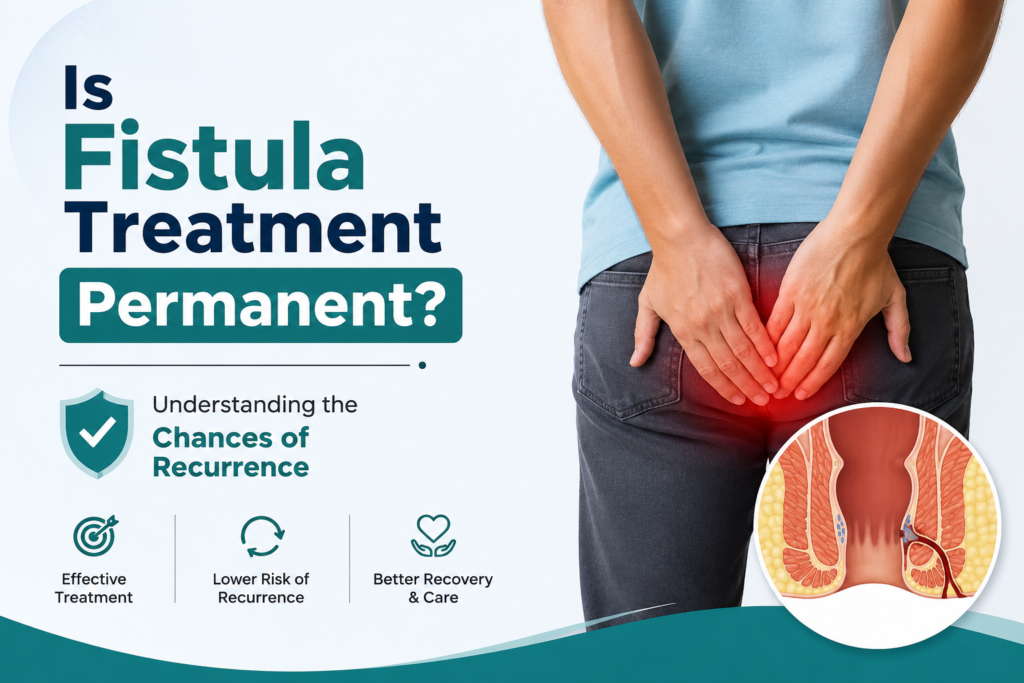
A fistula is a painful and often frustrating condition that can affect daily comfort, sitting, walking, and even routine hygiene. Many patients who go through treatment naturally ask one important question: Is fistula treatment permanent? The honest answer is that treatment can be highly effective, and in many cases it provides long-term relief. Patients looking for reliable fistula treatment in faridabad should understand that the chance of recurrence depends on several medical and lifestyle factors. Understanding those factors is the first step toward preventing the problem from coming back and ensuring better long-term recovery.
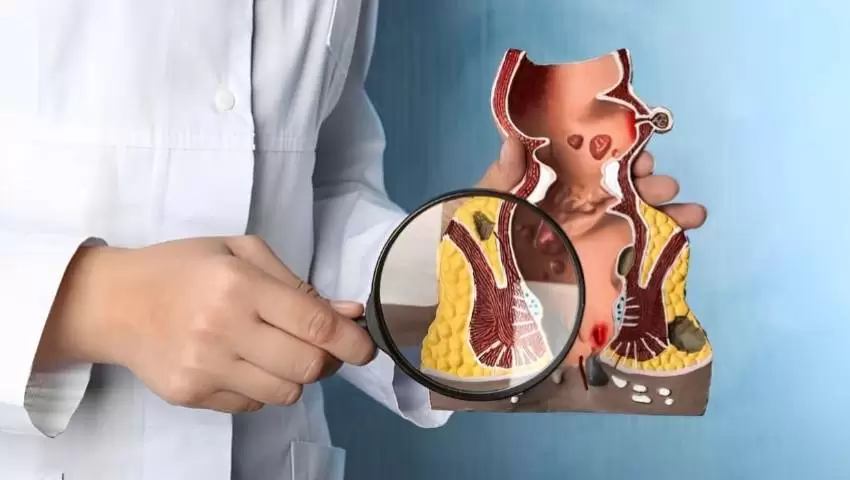
READ MORE : Can Anal Fistula Be Treated? Symptoms, Treatment & Recovery
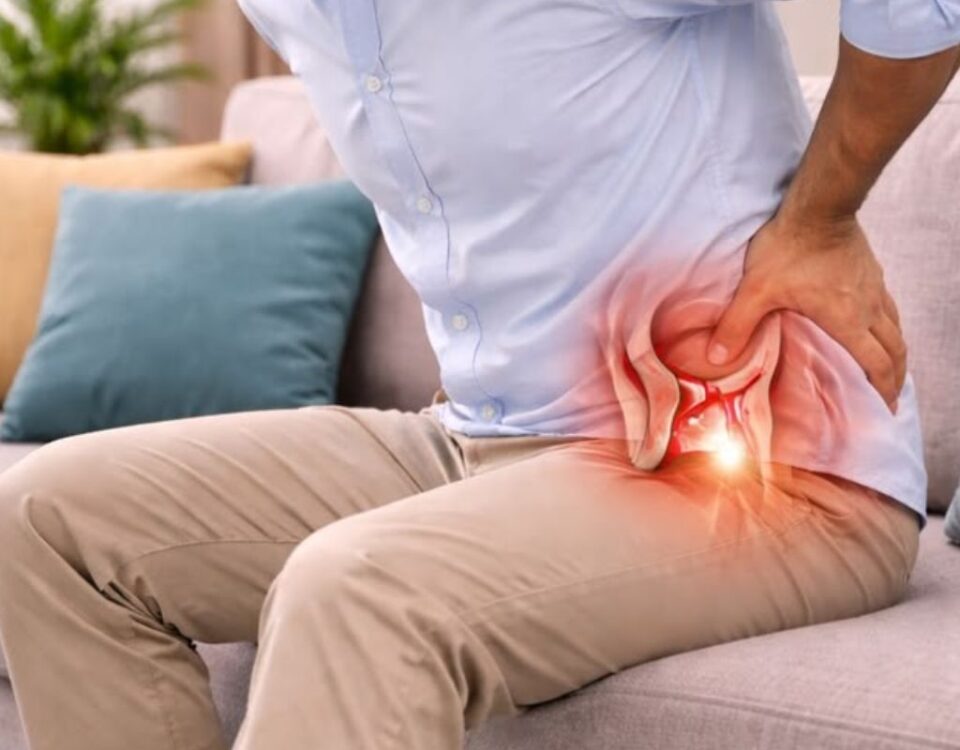
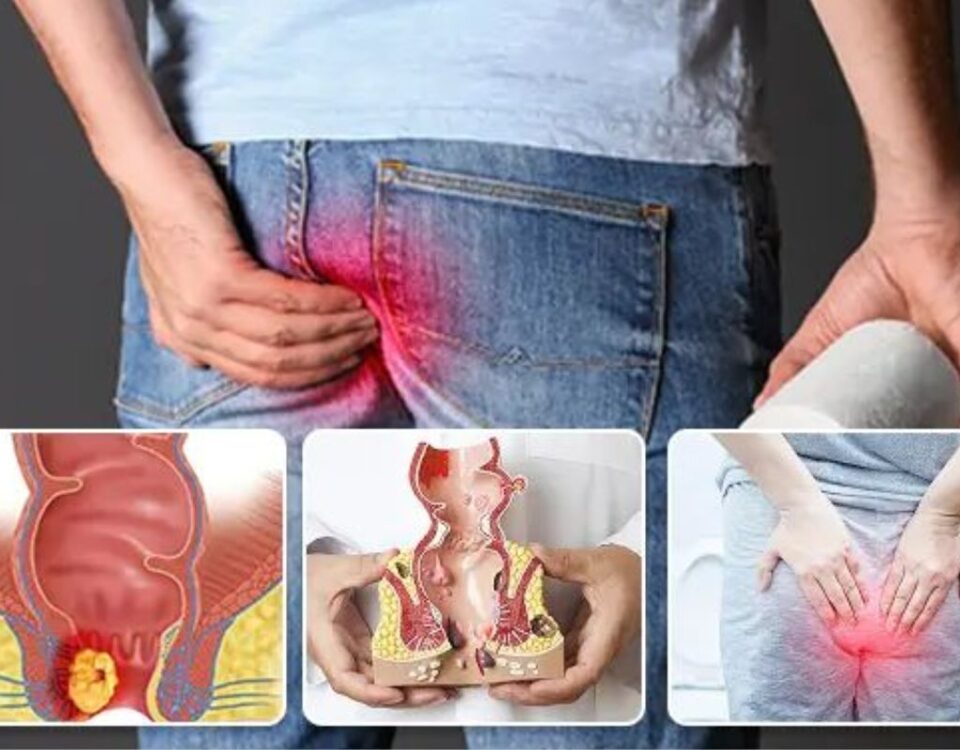
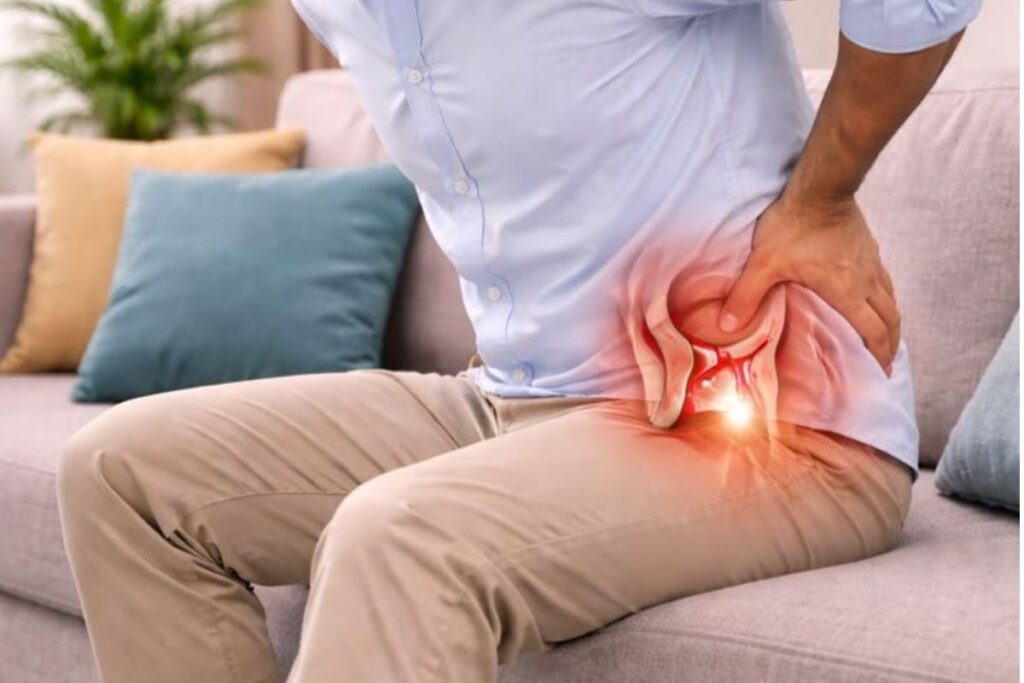
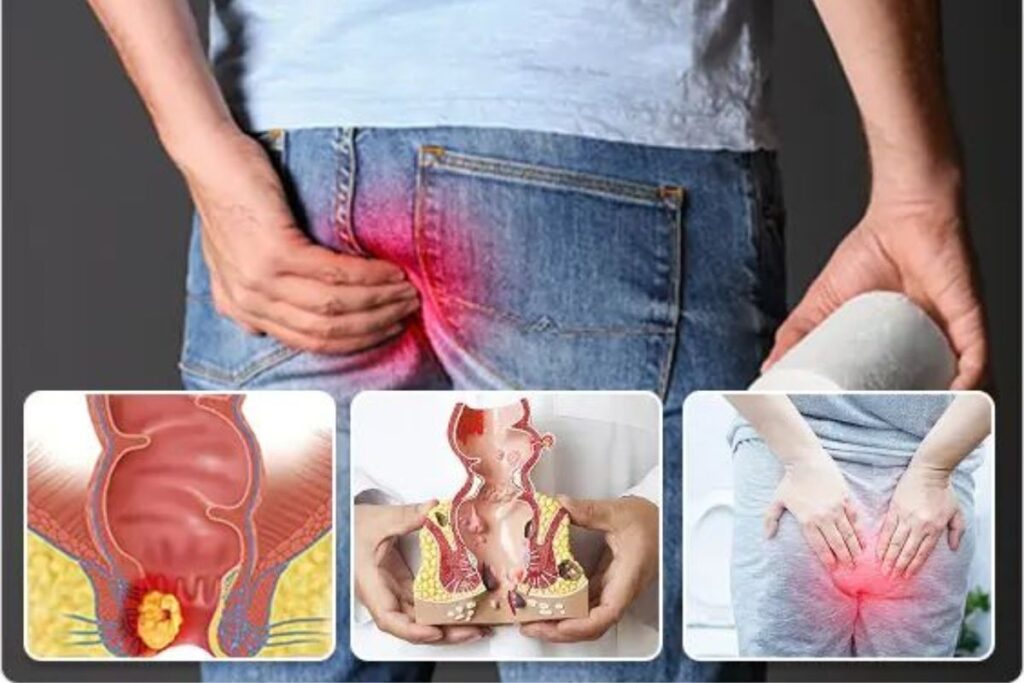
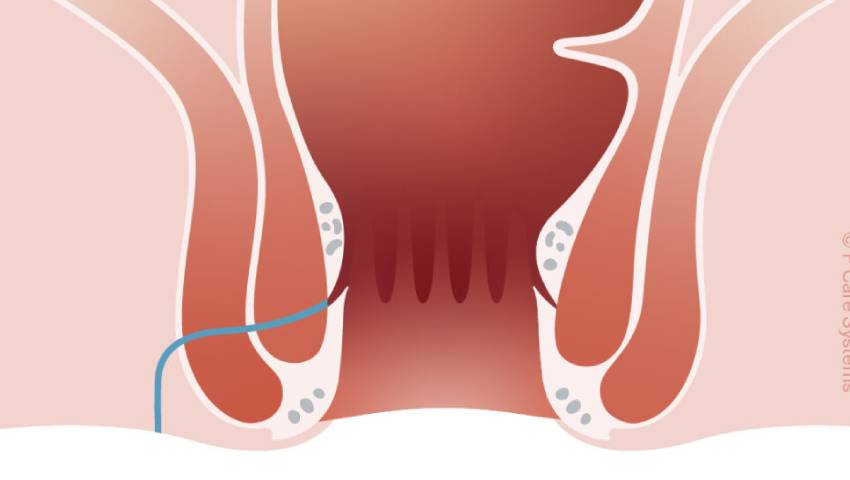
A fistula usually develops when an infection near the anal region does not heal properly and creates an abnormal tunnel between the anal canal and the skin. This is why the condition is often linked to recurring pain, swelling, pus discharge, itching, and discomfort. Because the root cause is usually an underlying infection or blocked gland, treatment must do more than remove symptoms. It must eliminate the source of the problem. That is why many patients seek expert evaluation at a specialized center such as Swami Satyanand Piles Hospital Faridabad, where the focus is on identifying the fistula tract correctly and choosing the right treatment plan.
Can Fistula Be Cured Completely?
In many cases, yes. Proper anal fistula treatment can remove the tract and control infection, allowing the area to heal. Surgical treatment remains the most common and effective option for most fistulas. Procedures such as fistulotomy, seton placement, laser fistula treatment, or advancement flap surgery may be recommended depending on the depth, complexity, and location of the fistula.
However, “permanent” does not always mean the condition can never return. It means the diseased tract has been treated successfully and the chances of recurrence have been reduced as much as possible. The overall outcome depends on how accurately the fistula is diagnosed, whether the full tract is removed or closed properly, and how well the patient follows post-operative care instructions.
Why Does Fistula Come Back?
Recurrence usually happens when part of the fistula tract remains untreated or when healing is interrupted by infection. Some fistulas are simple and easier to treat, while others are complex and may have multiple branches. Complex fistulas are more likely to return if they are not managed carefully.
Common reasons for recurrence include:
- incomplete removal or closure of the tract
- hidden secondary branches that were not detected
- persistent infection in the anal glands
- poor wound healing
- uncontrolled diabetes
- smoking or weak immunity
- constipation and repeated straining
- not following hygiene and recovery advice after surgery
At Swami Satyanand Piles Hospital Faridabad, doctors usually evaluate the fistula type before deciding the most suitable approach. This matters because the wrong procedure can increase the chance of recurrence or affect continence.
Does the Type of Treatment Matter?
Yes, the type of treatment has a big impact on long-term success. A simple fistula may respond very well to fistulotomy, which opens and cleans the tract so it can heal from the inside out. This method often provides excellent results when the tract is low and uncomplicated.
For deeper or more complex fistulas, surgeons may choose a seton, which helps drain infection gradually and protects the sphincter muscles. In some cases, minimally invasive options such as laser treatment or advanced procedures may be considered. These methods aim to preserve muscle function while reducing recurrence risk.
The right treatment is not the same for every patient. A proper assessment by a colorectal surgeon or fistula specialist is important because the structure of the tract determines the best solution. Many patients feel relieved when they understand that a tailored treatment plan is often more successful than a one-size-fits-all method.
What Are the Chances of Recurrence?
There is no single number that applies to every patient because recurrence rates vary widely depending on the type of fistula and the procedure used. Simple fistulas generally have better outcomes than complex ones. Recurrence is more likely when the fistula is deep, recurrent, associated with Crohn’s disease, or connected to multiple tunnels.
Even after a successful operation, follow-up care is important. A patient may feel better within days or weeks, but internal healing continues for a longer time. If the wound is exposed to infection, constipation, or excessive pressure before it fully heals, the problem may return. This is why doctors often emphasize proper dressing, regular follow-up, and dietary changes.
At Swami Satyanand Piles Hospital Faridabad, the post-treatment guidance is just as important as the surgery itself. Patients are usually advised on wound care, toilet habits, diet, and warning signs so they can recover with fewer complications.
How Can Recurrence Be Prevented?
There are several ways to reduce the chances of fistula coming back after treatment:
- Choose the right specialist
Fistula treatment should be done by an experienced doctor who understands anal fistula anatomy and recurrence prevention. - Follow the full treatment plan
Skipping follow-up visits or stopping medication too early can increase the risk of infection returning. - Maintain good hygiene
Gentle cleaning, proper dressing, and keeping the area dry can support faster healing. - Avoid constipation
A high-fiber diet, plenty of water, and stool-softening advice may help prevent straining. - Control medical conditions
Diabetes and other immune-related issues can delay healing, so they must be managed carefully. - Do not ignore symptoms
If pain, discharge, swelling, or fever appears again, medical attention should be taken early.
These steps do not guarantee that recurrence will never happen, but they significantly improve the chance of a lasting result.
When Should You Be Worried?
It is important not to panic during recovery, because some discomfort and mild discharge may be part of normal healing. But warning signs should never be ignored. Persistent pus, increasing pain, swelling, foul-smelling discharge, or repeated fever may indicate infection or a returning tract. In such cases, early evaluation is essential.
Patients who had multiple fistula episodes in the past should be especially careful. Recurrent fistulas may need imaging tests, a more advanced procedure, or additional medical evaluation to rule out underlying conditions.

Final Thoughts
So, is fistula treatment permanent? In many cases, yes, it can provide long-lasting and even permanent relief when the condition is treated correctly and the aftercare is followed properly. Still, recurrence is possible, especially in complex cases or when the root cause is not fully addressed. The key is early diagnosis, accurate treatment, and proper recovery support.
If you are searching for reliable care and expert advice, Swami Satyanand Piles Hospital Faridabad can be a useful option for understanding the condition, choosing the right procedure, and reducing the risk of recurrence. Patients looking for piles treatment in faridabad can consult experienced specialists to get proper guidance and suitable treatment options. With the right treatment plan and careful follow-up, most patients can return to a comfortable, active life without repeated fistula problems.