Can Anal Fistula Be Treated? Symptoms, Treatment & Recovery

Pilonidal Sinus Symptoms and Treatment: A Complete Guide
July 22, 2026
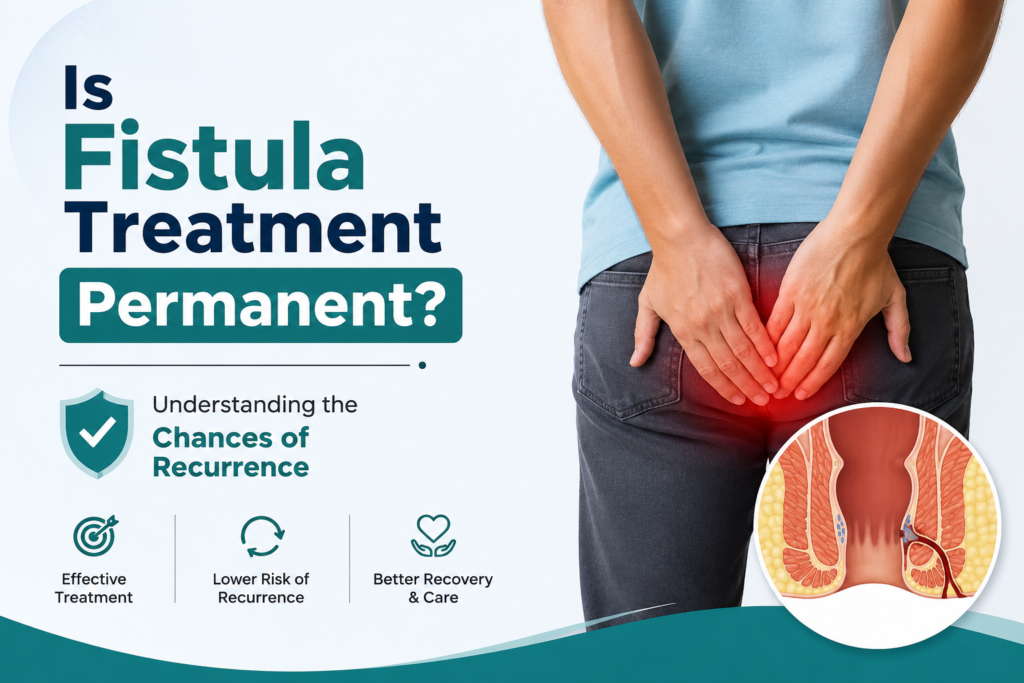
Is Fistula Treatment Permanent? Understanding the Chances of Recurrence
August 5, 2026
Anal fistulas are treatable with the right diagnosis and timely medical care. Learn about symptoms, treatment options, recovery, and ways to prevent complications.
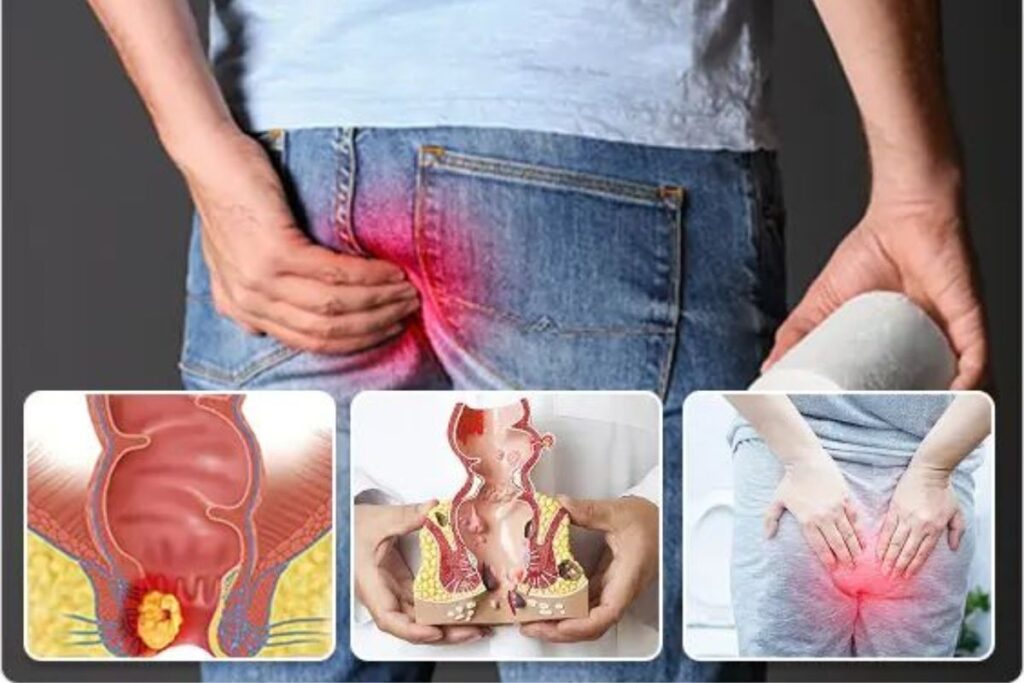
An anal fistula is a small tunnel that develops between the inside of the anal canal and the skin near the anus. It usually forms after an anal abscess that does not heal completely. Many people worry about whether this condition can be cured or if it will continue to cause pain and infection. The good news is that can anal fistula be treated is a question with a positive answer. Modern medical treatments can effectively manage and often cure anal fistulas while reducing the risk of recurrence. Patients seeking expert guidance and advanced care options can explore Fistula Treatment in Faridabad for proper diagnosis and personalized treatment plans.
The right treatment depends on the type, size, and location of the fistula. Early diagnosis and proper medical care help prevent complications and improve recovery.
What Is an Anal Fistula?
An anal fistula is an abnormal passage connecting the anal canal to the skin around the anus. It often develops after an infection in one of the small glands inside the anus. When the infection creates an abscess, pus collects in the area. Even after the abscess drains, a tunnel may remain, leading to a fistula.
Anal fistulas rarely heal on their own and generally require medical treatment.
Common Causes of Anal Fistula
Several conditions can increase the risk of developing an anal fistula, including:
- Anal abscess
- Crohn’s disease
- Tuberculosis
- Trauma or injury to the anal region
- Previous anal surgery
- Radiation therapy
- Rare infections or inflammatory conditions
Understanding the underlying cause helps doctors choose the most appropriate anal fistula treatment for each patient.
Symptoms of an Anal Fistula
Symptoms can vary depending on the severity of the condition. Common signs include:
- Persistent pain around the anus
- Swelling and redness
- Recurrent pus or blood discharge
- Bad-smelling drainage
- Skin irritation near the anus
- Pain during bowel movements
- Fever if infection is present
If these symptoms continue for several days, it is important to consult a healthcare professional.
Can Anal Fistula Be Treated?
Yes, can anal fistula be treated is one of the most common questions patients ask, and the answer is yes. While antibiotics may temporarily control infection, they usually cannot cure the fistula itself. Most fistulas require a medical procedure or surgery to remove or repair the abnormal tunnel.
The treatment plan depends on:
- Complexity of the fistula
- Location of the tract
- Amount of muscle involved
- Presence of infection
- Overall health of the patient
With proper care, most patients recover successfully.
Diagnosis Before Treatment
Doctors usually begin with a physical examination. Additional tests may include:
- Digital rectal examination
- Anoscopy
- MRI scan
- Endoanal ultrasound
- CT scan in selected cases
Accurate diagnosis ensures the most effective anal fistula treatment is selected.
Treatment Options for Anal Fistula
There are several treatment options available depending on the type of fistula.
Fistulotomy
This is the most common surgical procedure for simple fistulas. The surgeon opens the fistula tract so it can heal from the inside outward. It offers excellent success rates for uncomplicated cases.
Seton Placement
A soft surgical thread called a seton is placed through the fistula tract. It helps drain infection while protecting the anal sphincter muscles in more complex fistulas.
Advancement Flap Procedure
This technique closes the internal opening of the fistula while preserving muscle function. It is commonly used when protecting continence is a priority.
Fibrin Glue or Biologic Plug
These minimally invasive treatments seal the fistula without cutting muscles. Although recovery is quicker, success rates may vary.
Laser Treatment for Anal Fistula
In recent years, laser treatment for anal fistula has become an advanced minimally invasive option for selected patients. A laser fiber is inserted into the fistula tract, where controlled heat seals the tunnel from the inside.
Benefits include:
- Smaller wounds
- Less postoperative pain
- Faster recovery
- Minimal tissue damage
- Short hospital stay
However, not every patient is suitable for laser treatment for anal fistula. Your surgeon will determine whether this technique is appropriate based on your condition.
Choosing the Best Treatment
Finding the best treatment for anal fistula depends on several individual factors. There is no single procedure that works for everyone.
Doctors consider:
- Whether the fistula is simple or complex
- Risk of recurrence
- Muscle involvement
- Existing medical conditions
- Previous surgeries
The best treatment for anal fistula is always one that removes the infection while preserving normal bowel control.
Recovery After Surgery
Healing time varies depending on the procedure performed. Most patients can return to normal activities within a few weeks, although complete healing may take longer.
Important recovery tips include:
- Take prescribed medications regularly.
- Keep the area clean and dry.
- Eat a high-fiber diet.
- Drink plenty of water.
- Avoid constipation.
- Take warm sitz baths.
- Attend follow-up appointments.
Proper anal fistula surgery recovery reduces discomfort and promotes faster healing.
Tips for Faster Healing
To improve anal fistula surgery recovery, patients should follow all postoperative instructions carefully.
Helpful practices include:
- Avoid heavy lifting initially.
- Maintain good personal hygiene.
- Use stool softeners if recommended.
- Eat fruits, vegetables, and whole grains.
- Stay physically active with light walking.
- Report excessive bleeding or fever immediately.
Good wound care significantly lowers the chance of complications.
Possible Complications if Left Untreated
Ignoring an anal fistula can lead to serious health problems such as:
- Recurrent abscesses
- Chronic infection
- Severe pain
- Multiple fistula tracts
- Tissue damage
- Rarely, long-standing untreated fistulas may increase the risk of certain cancers
Early intervention provides better outcomes.
Can Anal Fistula Be Prevented?
Not every fistula can be prevented, but healthy habits may reduce the risk.
Prevention tips include:
- Treat anal abscesses promptly.
- Manage Crohn’s disease effectively.
- Practice good hygiene.
- Avoid prolonged constipation.
- Stay hydrated.
- Eat a fiber-rich diet.
- Seek medical attention for persistent anal pain or discharge.
When Should You See a Doctor?
Consult a doctor immediately if you experience:
- Persistent anal pain
- Swelling near the anus
- Continuous drainage
- Fever with anal swelling
- Recurrent abscesses
- Difficulty sitting due to pain
Early diagnosis often leads to simpler treatment and quicker recovery.
Conclusion
If you are wondering can anal fistula be treated, the answer is yes. Modern medicine offers several highly effective options ranging from conventional surgery to advanced minimally invasive procedures. The best treatment for anal fistula depends on the individual patient’s condition. Patients experiencing related anorectal concerns can also learn about Pilonidal Sinus Treatment in Faridabad to understand available care options and prevent future complications. Early diagnosis is essential for successful outcomes.
Whether your doctor recommends anal fistula treatment through fistulotomy, seton placement, or laser treatment for anal fistula, timely care greatly improves the chances of complete healing. Following postoperative instructions carefully also supports smoother anal fistula surgery recovery and helps you return to normal life as quickly as possible. Seeking medical attention early is the best step toward long-term relief and better health.