Are Piles Dangerous? When Should You Consult a Doctor?

Why Do Piles Occur at a Young Age?
November 21, 2026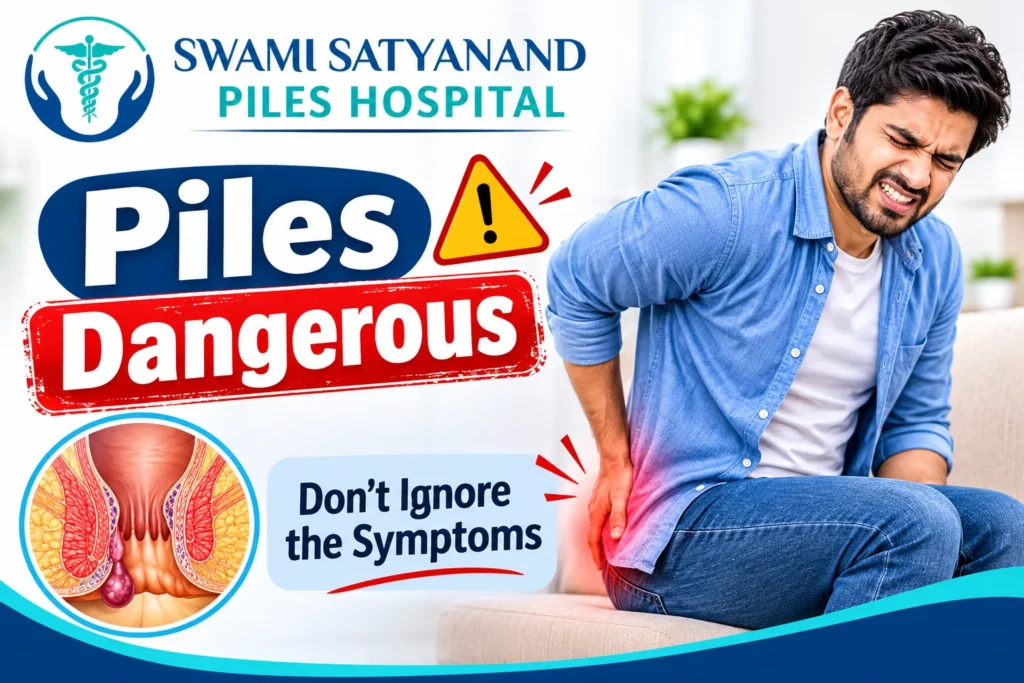
Noticing blood during a bowel movement or feeling sudden discomfort around the anal area can be alarming. For many people, the very first question that comes to mind is whether piles dangerous for their long-term health. In most cases, hemorrhoids are a very common, benign condition that is not life-threatening. However, ignoring persistent discomfort or assuming the issue will always vanish on its own can allow a mild problem to turn into a painful daily struggle.
Understanding how hemorrhoids behave takes away unnecessary fear and helps you respond wisely. Many patients also wonder is piles curable without major disruption to their everyday routines. The reassuring truth is that early awareness and timely medical advice make recovery straightforward. At Swami Satyanand Piles Hospital, we focus on sharing clear, reliable medical information so you can recognize warning signs early and know exactly when to seek professional care.
Are piles dangerous if left untreated?
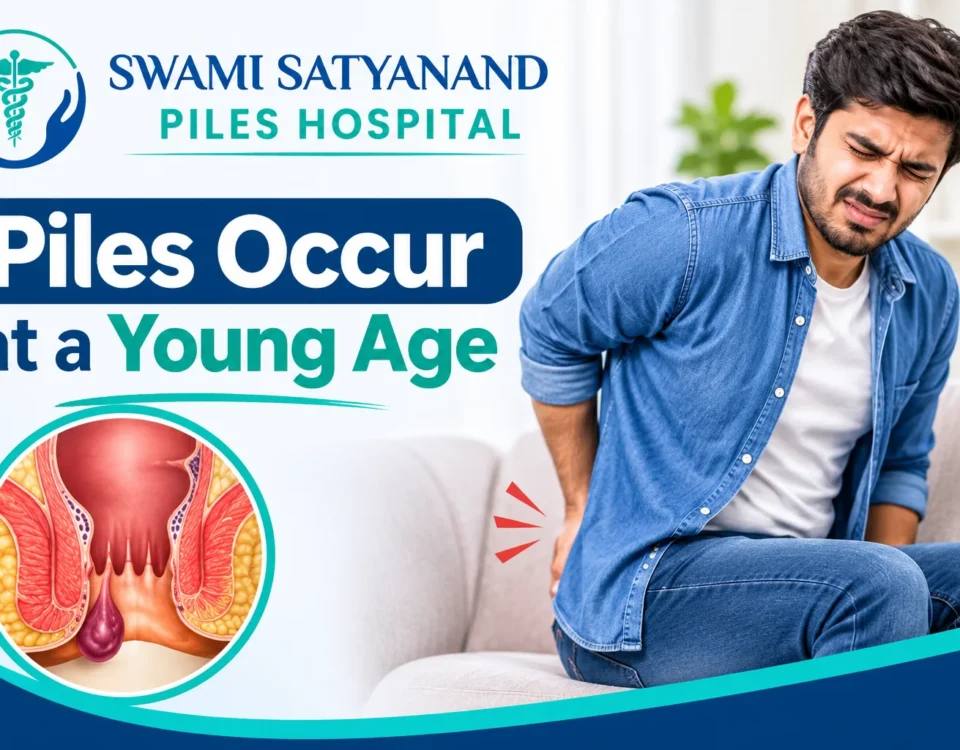
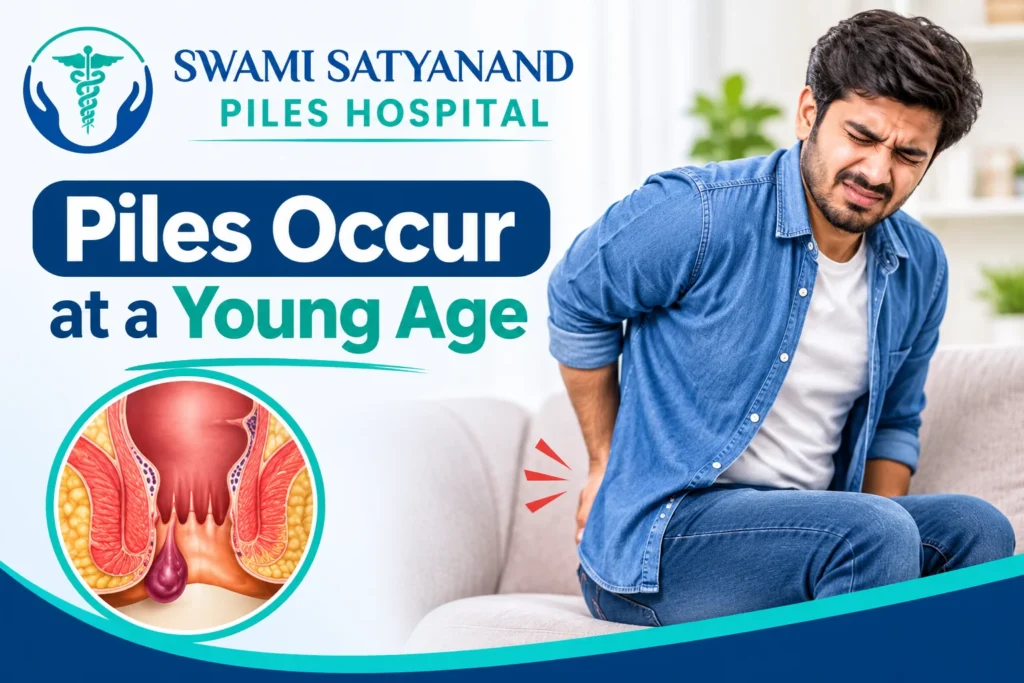
Piles, medically known as hemorrhoids, are swollen veins located in the lower rectum and around the anus. They develop when repeated pressure—often from constipation, prolonged sitting, or straining—causes these delicate blood vessels to stretch and inflame. On their own, hemorrhoids are not cancerous and rarely pose an immediate emergency. However, leaving chronic symptoms unchecked can gradually make piles dangerous to your overall well-being. Over time, untreated swelling can worsen, bleed more frequently, and interfere with simple activities like sitting, walking, or sleeping comfortably.
Understanding the Different Types
Hemorrhoids are generally grouped into two main categories depending on where they form. External piles develop under the skin around the outer edge of the anus, where nerve endings are sensitive, often causing itching, swelling, or noticeable soreness. By contrast, internal hemorrhoids form deeper inside the rectum, where there are fewer pain-sensing nerves. Because they are usually painless in the early stages, painless bright red bleeding during bowel movements is often the very first clue that they are present.
Potential Complications of Ignoring Symptoms
While mild cases often calm down with simple lifestyle adjustments, neglecting ongoing symptoms can make piles dangerous by triggering avoidable medical complications. Common risks of delayed care include:
- Chronic Anemia: Ongoing, unnoticed blood loss over weeks or months can lower red blood cell levels, leading to constant fatigue, weakness, and dizziness.
- Thrombosed Hemorrhoids: A blood clot can form inside an external swollen vein, causing sudden, intense pain and a hard, tender lump.
- Strangulated Piles: If an internal swollen vein prolapses outside the anus and its blood supply gets cut off, it can cause severe pain and tissue damage.
- Local Infections: Persistent irritation, moisture, and scratched skin around the anal area can sometimes lead to painful skin infections or ulcers.
Why Self-Diagnosis Can Be Risky
Rectal bleeding is the most well-known sign of hemorrhoids, but it is not exclusive to them. Other digestive conditions—such as anal fissures, inflammatory bowel issues, or polyps—can produce very similar symptoms. Relying purely on guesswork or over-the-counter creams for months can mask an underlying issue that genuinely needs a doctor’s attention.
Clear Signs You Should Consult a Doctor
Knowing when to stop waiting and book a medical evaluation is the smartest way to protect your health. While mild irritation may improve with home care, certain red flags always deserve a professional look.
Persistent or Heavy Rectal Bleeding
Occasional light streaks of bright red blood from internal hemorrhoids are common, yet any bleeding that happens repeatedly should never be brushed aside. You should seek prompt medical evaluation if the bleeding becomes heavy, lasts for more than a few days, or appears dark red or maroon in color. Specialists at Swami Satyanand Piles Hospital emphasize that an early, accurate examination rules out serious digestive conditions and gives you complete peace of mind.
Severe Pain, Swelling, or Prolapse
Ordinary hemorrhoids usually cause mild discomfort rather than sharp agony. If you experience sudden, throbbing pain, notice a firm lump near the anus, or feel tissue protruding outward that does not gently retract on its own, it is time to see a specialist. These signs often point toward a blood clot or advanced prolapse that home remedies cannot resolve alone.
Symptoms That Do Not Improve
If you have already increased your fiber intake, improved your hydration, and tried warm water soaks, yet your symptoms show no improvement after a week, schedule a checkup. Timely evaluation prevents mild swelling from becoming piles dangerous enough to disrupt your daily life or require urgent medical intervention.
Safe Ways to Manage and Treat the Condition
Once a doctor confirms your diagnosis, managing the condition becomes much simpler and less stressful. Patients frequently ask is piles curable, and the answer is yes—especially when addressed in the early or moderate stages with the right combination of daily habits and medical guidance.
Everyday Habits for Early Relief
For mild hemorrhoids, consistent lifestyle upgrades often bring noticeable relief and prevent future flare-ups. Focus on eating fiber-rich foods such as oats, fresh fruits, leafy vegetables, and whole grains to keep stools soft. Drink plenty of water throughout the day, avoid straining during bowel movements, and leave your smartphone outside the bathroom to limit sitting time. Taking a warm sitz bath for ten to fifteen minutes daily also helps soothe irritated tissues and improve local blood flow.
Modern Medical Care Options
When lifestyle adjustments alone are not enough to control bleeding or swelling, modern medicine offers safe, gentle, and minimally invasive procedures designed for quick recovery. Consulting the experienced team at Swami Satyanand Piles Hospital helps you understand which treatment approach fits your specific stage comfortably. Taking proactive steps early ensures you never have to worry about piles dangerous complications affecting your long-term comfort.
Conclusion
Hemorrhoids are a widespread digestive concern that rarely threatens your life, yet ignoring persistent bleeding, swelling, or pain can gradually make piles dangerous to your daily comfort and overall health. Paying attention to early warning signs, maintaining a fiber-rich diet, staying hydrated, and avoiding prolonged straining are your strongest defenses. Never let embarrassment delay a simple medical checkup when symptoms linger. At Swami Satyanand Piles Hospital, our commitment is to provide clear medical guidance and compassionate care so every patient can recover smoothly, safely, and with complete confidence.
FAQs about Piles Dangerous
Can piles turn into cancer?
No, hemorrhoids do not turn into cancer. However, because rectal bleeding can be a symptom of both piles and other colorectal conditions, a proper medical checkup is essential to confirm the exact cause.
How do I know if I have internal piles?
In their early stages, internal hemorrhoids are usually painless and invisible from the outside. The most common sign is bright red blood seen on toilet tissue or in the toilet bowl during bowel movements.
Can piles be cured permanently?
Yes, with timely medical care and lasting lifestyle changes—such as eating enough fiber, drinking plenty of water, and avoiding straining—piles can be effectively treated and kept from returning.
How long should I wait before seeing a doctor for piles?
If mild symptoms do not improve after one week of home care, or if you notice heavy bleeding, severe pain, or dizziness, you should consult a doctor right away.
What simple daily habits help prevent piles?
Eating fiber-rich meals, staying well-hydrated, exercising regularly, answering the natural urge to use the restroom promptly, and avoiding long sitting sessions on the toilet are the best ways to prevent piles.