Can Sitting for Long Hours Increase the Risk of Piles?

Non-Surgical Treatment for Piles: Complete Guide
July 9, 2026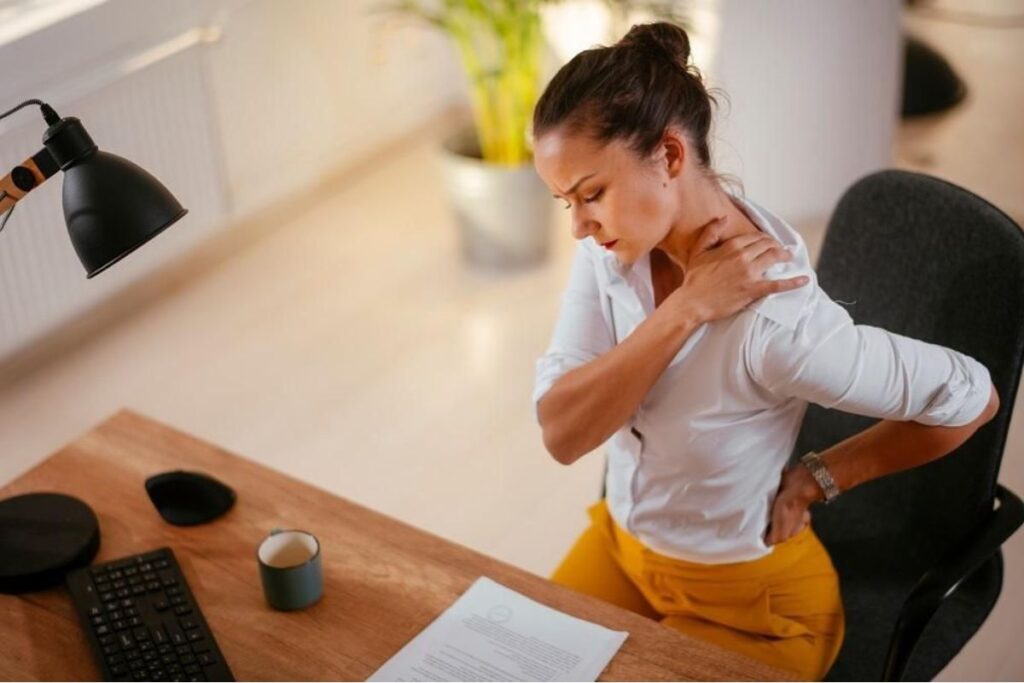
If you spend most of your day sitting at a desk, in a car, or in front of a screen, you’re not alone — and you might be putting yourself at greater risk for an uncomfortable condition many people don’t like to talk about: piles. There’s a well-established link between sitting for long hours and piles, and understanding why can help you take simple steps to protect your health. If symptoms such as pain, itching, or bleeding become frequent, exploring Piles (Hemorrhoids) Treatment options with a qualified healthcare professional can help prevent complications and provide lasting relief.
In this article, we’ll break down the connection between prolonged sitting and hemorrhoids, explore who’s most at risk, and share practical tips to keep piles at bay — even if your job keeps you in a chair most of the day.
The Link Between Sitting for Long Hours and Piles
Piles, or hemorrhoids, are swollen veins in the lower rectum and anus. They develop when there’s increased pressure on the veins in this area, causing them to stretch, bulge, and become inflamed. So how exactly does sitting for long hours and piles connect?
When you sit for extended periods, especially on hard surfaces, gravity and body weight concentrate pressure directly on the rectal and anal veins. This constant pressure:
- Restricts healthy blood flow to and from the pelvic region
- Causes blood to pool in the lower rectal veins
- Increases venous pressure, which can lead to swelling over time
- Slows digestion and can contribute to constipation, a major piles trigger
Unlike standing or walking, where muscle movement helps circulate blood efficiently, prolonged sitting keeps the pelvic veins under sustained, unrelieved pressure. Over weeks and months, this repeated strain is a key reason sitting for long hours and piles are so frequently linked in medical literature.
Does Sitting Cause Piles? What Science Says
A common question people ask is: does sitting cause piles directly, or is it more of a contributing factor? The honest answer is nuanced.
Sitting alone doesn’t “cause” piles in isolation — but it’s a significant risk factor that, combined with other habits, substantially raises the likelihood of developing them. Medical research points to several sitting-related mechanisms:
- Reduced blood circulation – Sitting compresses blood vessels in the pelvic and rectal area, slowing normal blood flow.
- Increased rectal vein pressure – Body weight pressing down for hours raises pressure specifically in the hemorrhoidal veins.
- Constipation risk – Sedentary behavior slows down bowel motility, making constipation and straining more likely — both major hemorrhoid triggers.
- Weakened pelvic floor muscles – Long-term inactivity can weaken muscles that support healthy bowel function.
So while does sitting cause piles doesn’t have a simple yes/no answer, the consensus among doctors is that prolonged, uninterrupted sitting is one of the most common lifestyle contributors to developing hemorrhoids — especially when combined with poor diet, low water intake, and lack of physical activity.
Piles from Desk Job – Why Office Workers Are at Higher Risk
If you work a typical 9-to-5 office job, you may be more vulnerable than you realize. Piles from desk job situations are increasingly common due to the nature of modern work environments.
Why Desk Jobs Increase Piles Risk
- Extended sitting without breaks: Many office workers sit for 6-9 hours a day with minimal movement.
- Poor ergonomic setups: Uncomfortable chairs without proper lumbar or seat support increase pressure on the rectal area.
- Sedentary commuting: Long drives or train rides before and after work add even more sitting time.
- Irregular bathroom habits: Busy schedules often lead to delaying the urge to use the bathroom, worsening constipation.
- Stress and poor diet: Office stress often leads to unhealthy eating habits, low fiber intake, and dehydration — all of which compound the risk.
Piles from desk job situations aren’t limited to office workers alone — truck drivers, call center employees, IT professionals, students studying for long hours, and anyone with a highly sedentary routine face similar risks.
Signs to Watch For
If you have a desk job, watch for early symptoms such as:
- Itching or discomfort around the anus
- Mild bleeding during bowel movements
- A feeling of fullness or a lump near the anal area
- Discomfort that worsens after sitting for extended periods
Catching these signs early makes non-surgical piles treatment options far more effective and less invasive.
Prolonged Sitting Hemorrhoids Risk – Other Contributing Factors
While sitting plays a major role, prolonged sitting hemorrhoids risk is often amplified by other lifestyle factors working together. These include:
1. Low Fiber Diet
A diet low in fruits, vegetables, and whole grains leads to harder stools, increasing strain during bowel movements — a major hemorrhoid trigger when combined with sitting.
2. Inadequate Hydration
Not drinking enough water contributes to constipation, which increases straining and, in turn, rectal vein pressure.
3. Lack of Physical Activity
Beyond sitting itself, an overall lack of movement throughout the day slows circulation and digestion.
4. Obesity
Excess body weight adds additional pressure on pelvic and rectal veins, compounding the effects of prolonged sitting.
5. Pregnancy
Pregnant women who also sit for long periods face a compounded risk due to hormonal changes and increased pelvic pressure.
6. Family History
Genetics can make some individuals more prone to weak vein walls, increasing susceptibility even with moderate sitting time.
Understanding that prolonged sitting hemorrhoids risk rarely acts alone helps explain why some people who sit all day never develop piles, while others do — it usually comes down to a combination of factors.
How to Prevent Piles from Sitting – Practical Tips
The good news is that sitting for long hours and piles risk can be significantly reduced with a few simple, consistent habits. Here’s how to prevent piles from sitting, even with a demanding job:
1. Take Regular Movement Breaks
Stand up, stretch, or walk for 2-3 minutes every 30-45 minutes. This helps restore healthy blood flow to the pelvic area and relieves pressure on rectal veins.
2. Use a Cushioned or Ergonomic Chair
A supportive chair or a donut-shaped cushion can help distribute weight more evenly and reduce direct pressure on the anal area.
3. Stay Hydrated
Drinking adequate water throughout the day softens stool and reduces straining during bowel movements.
4. Increase Fiber Intake
Incorporate more fruits, vegetables, legumes, and whole grains into your diet to support smoother, more regular bowel movements.
5. Avoid Delaying Bathroom Visits
When you feel the urge, go — delaying it can lead to harder stools and increased straining later.
6. Incorporate Light Exercise
Even short walks, stretching, or light yoga during breaks can significantly improve circulation and reduce prolonged sitting hemorrhoids risk.
7. Practice Good Posture
Sitting upright with feet flat on the floor, rather than slouching, can help reduce unnecessary pelvic pressure.
8. Set Reminders
Use phone alarms or apps to remind yourself to stand, stretch, or walk if you tend to lose track of time while working.
Following these steps on how to prevent piles from sitting can meaningfully lower your risk, even in a job that requires long hours at a desk.
When to See a Doctor
While lifestyle changes can prevent and manage mild symptoms, it’s important to consult a doctor if you experience:
- Persistent or heavy bleeding during bowel movements
- Severe pain that doesn’t improve with home care
- A lump near the anus that doesn’t go away
- Symptoms lasting more than a week despite lifestyle changes
A doctor can assess the severity of your condition and recommend appropriate non-surgical piles treatment options, such as laser therapy, rubber band ligation, or sclerotherapy, if needed.
Conclusion
The connection between sitting for long hours and piles is well-documented, and if you spend most of your day seated — whether at a desk, in a car, or on a couch — it’s worth taking proactive steps to protect your health. While does sitting cause piles on its own is debatable, sitting combined with poor diet, low activity, and dehydration significantly raises your risk.
Simple changes like taking movement breaks, staying hydrated, eating more fiber, and using proper seating support can go a long way in preventing piles from desk job situations before they start. And if symptoms do appear, don’t wait — early consultation with a specialist ensures effective, minimally invasive treatment options are available to you.