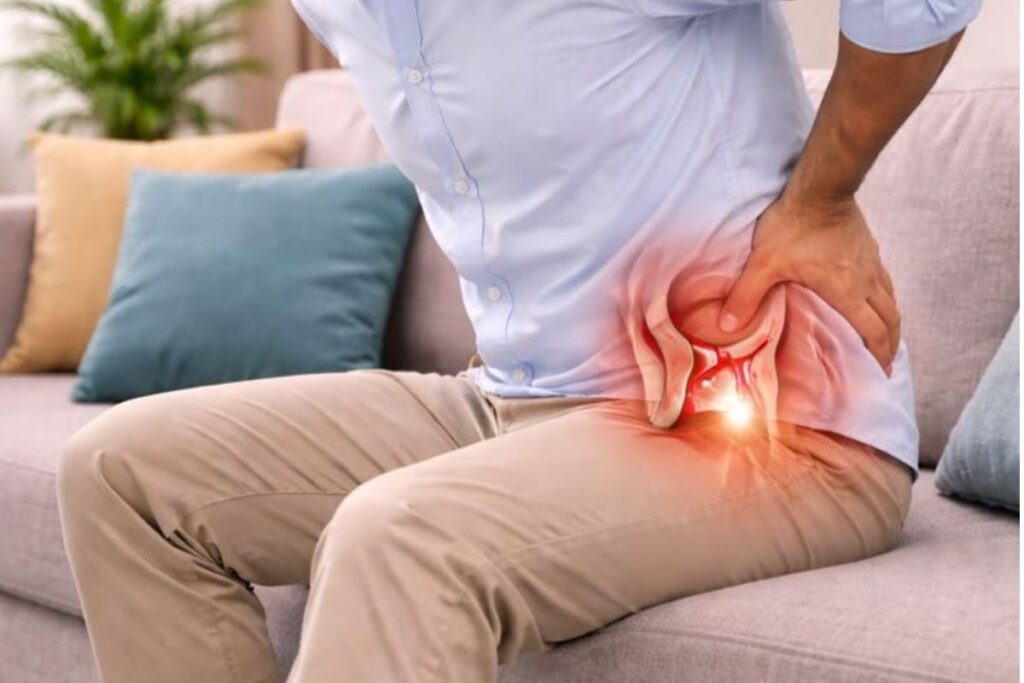
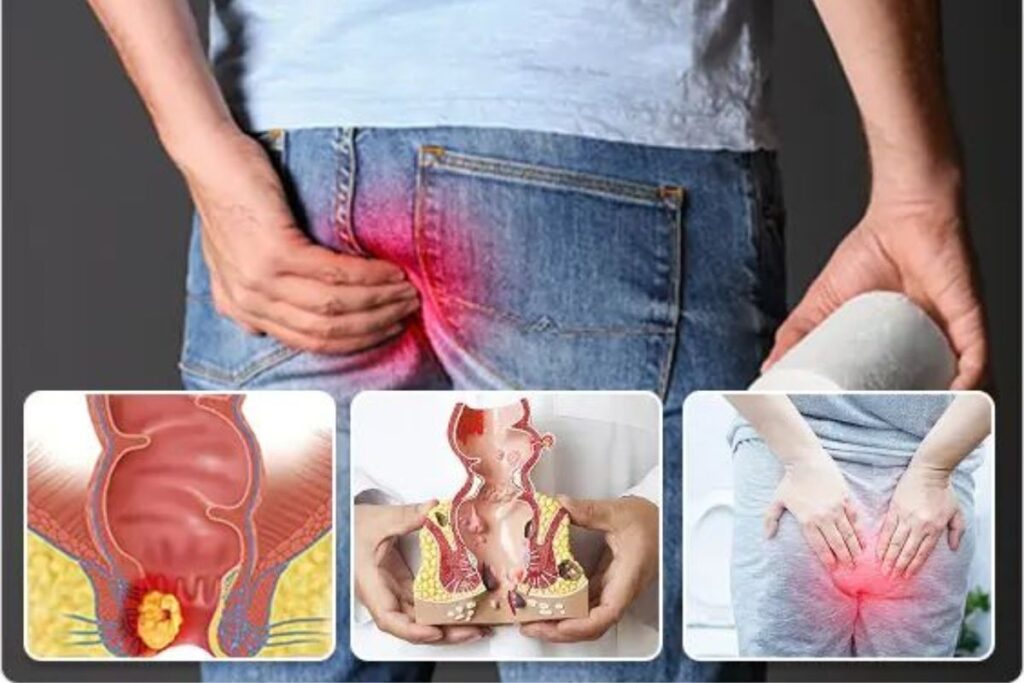
What Are the Different Types of Piles? Symptoms and Treatment Guide

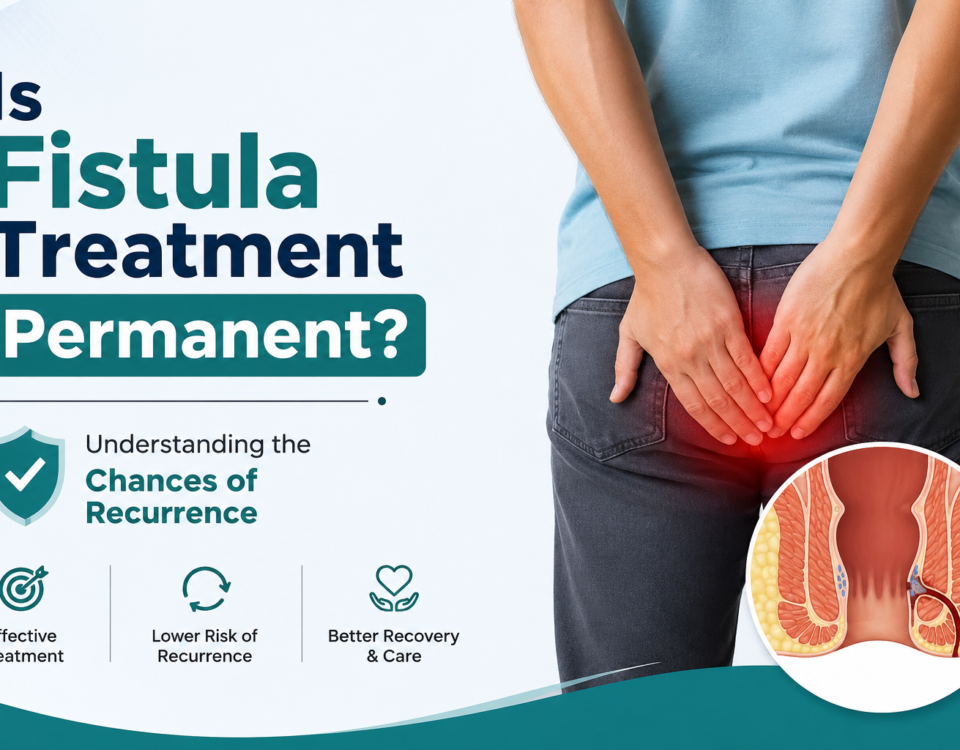
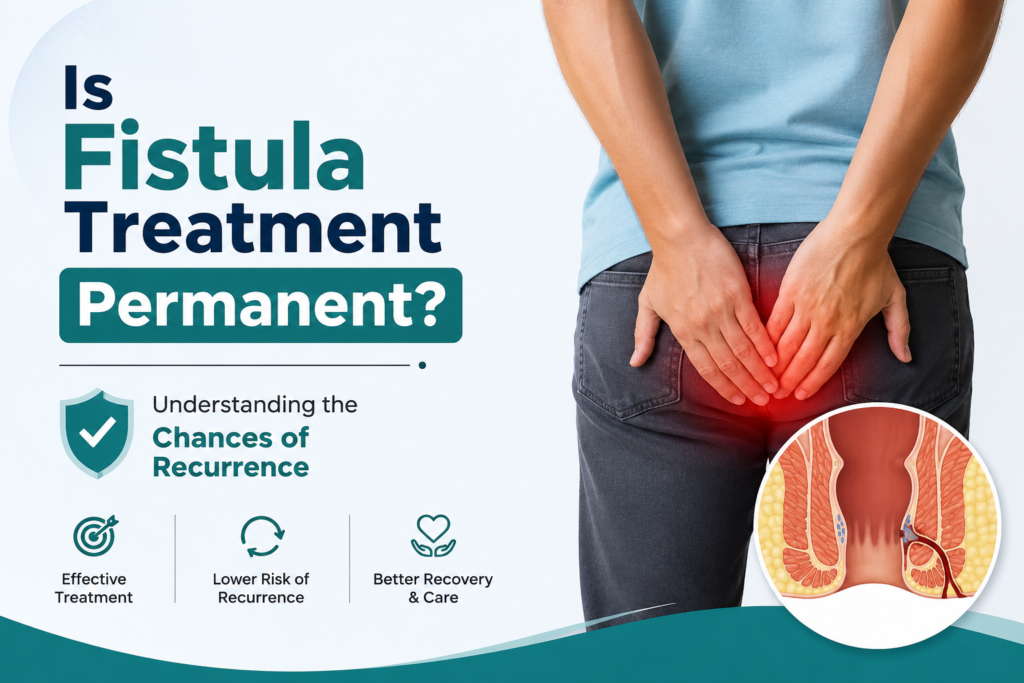
Is Fistula Treatment Permanent? Understanding the Chances of Recurrence
August 5, 2026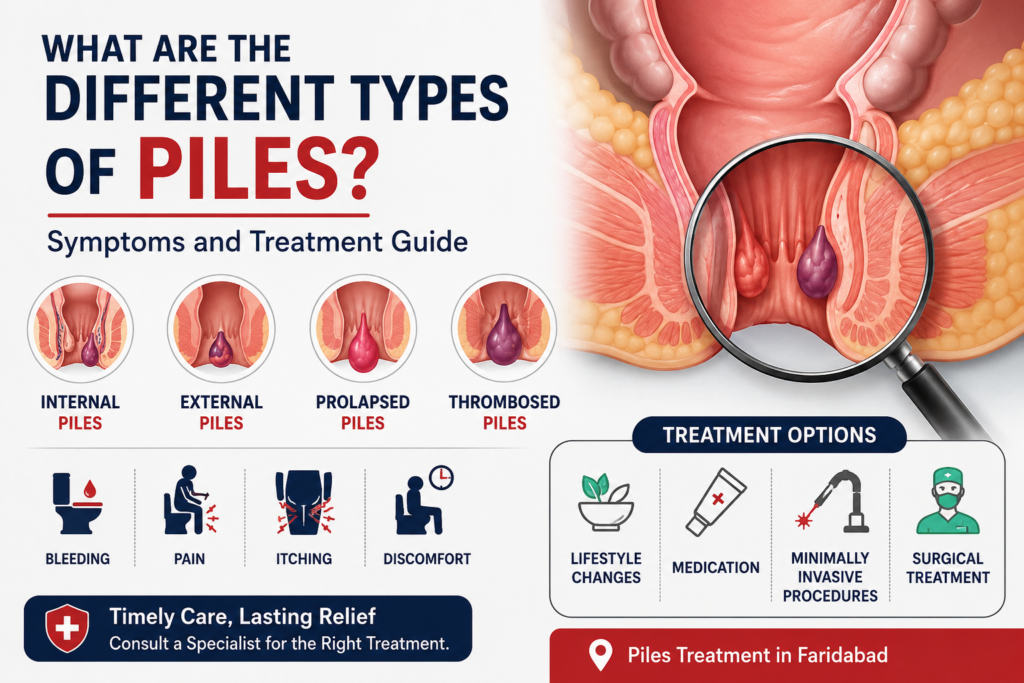
Piles, also known as hemorrhoids, are one of the most common anorectal health problems affecting people of different age groups. They occur when the veins in and around the rectum or anus become swollen, inflamed, or enlarged. Although piles are often associated with discomfort, pain, itching, and bleeding, many people ignore the early signs until the condition becomes more severe. Understanding the different types of piles, their symptoms, and the available treatment options can help patients seek timely care and avoid complications. If you are looking for piles treatment in faridabad consulting an experienced specialist at the early stage can help prevent complications and ensure effective recovery.
READ MORE : Is Fistula Treatment Permanent? Understanding the Chances of Recurrence
If you are looking for reliable care, Swami Satyanand Piles Hospital Faridabad is one of the places where patients can receive proper evaluation and treatment guidance for piles and related digestive concerns.
What Are Piles?
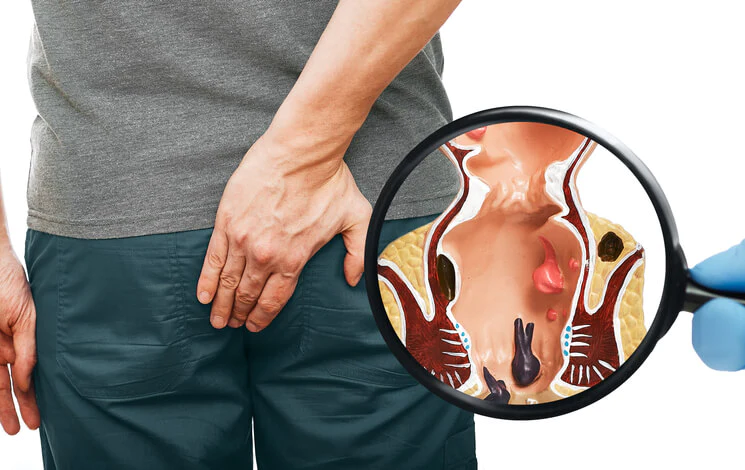
Piles are swollen blood vessels that develop in the lower rectum or around the anus. They may be caused by chronic constipation, prolonged sitting, straining during bowel movements, pregnancy, obesity, low-fiber diet, or a sedentary lifestyle. While piles are usually not life-threatening, they can significantly affect comfort, daily routine, and quality of life.
In many cases, early piles can be managed with lifestyle changes and medication. However, advanced piles may require medical procedures or surgery. That is why consulting a piles specialist at the right time is important.
Different Types of Piles
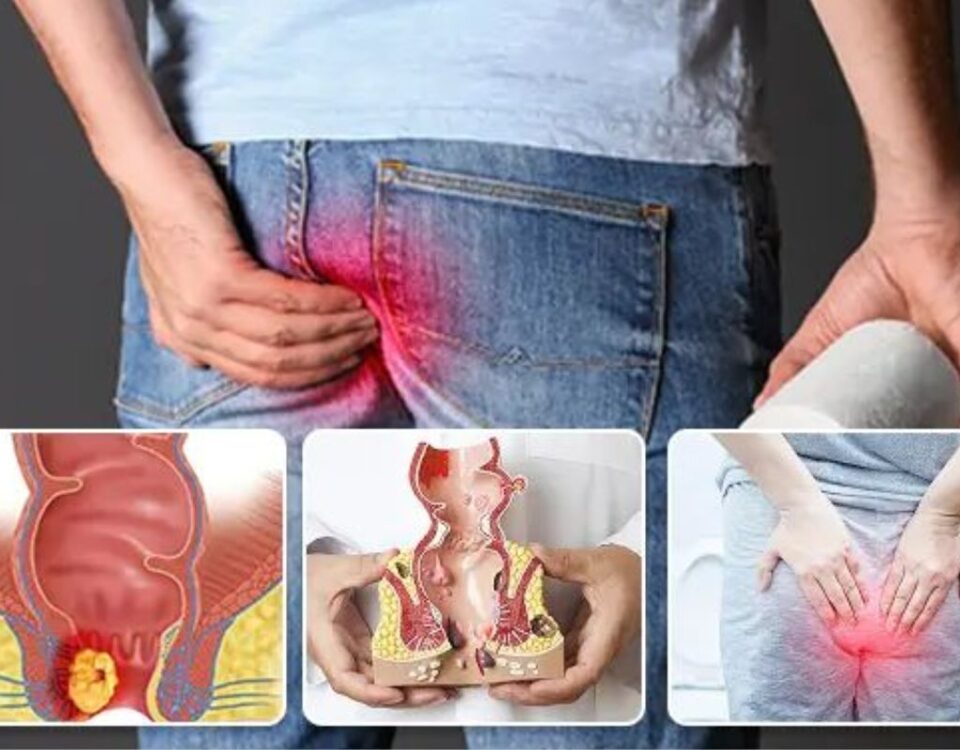
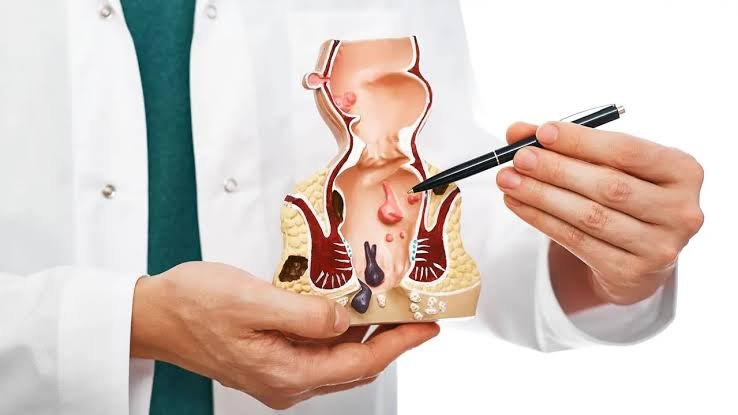
Piles are mainly classified into two broad categories: internal piles and external piles. In some cases, a person may experience both types at the same time.
1. Internal Piles
Internal piles develop inside the rectum, so they are usually not visible from the outside. They often do not cause pain because this area has fewer pain-sensitive nerves. However, they may lead to bleeding during bowel movements, mucus discharge, or a feeling that the bowel has not been completely emptied.
Internal piles are further divided into grades:
- Grade 1: Small swelling inside the rectum with minor bleeding.
- Grade 2: Piles may come out during bowel movement but go back on their own.
- Grade 3: Piles protrude outside and need to be pushed back manually.
- Grade 4: Piles remain outside permanently and may become painful or strangulated.
2. External Piles
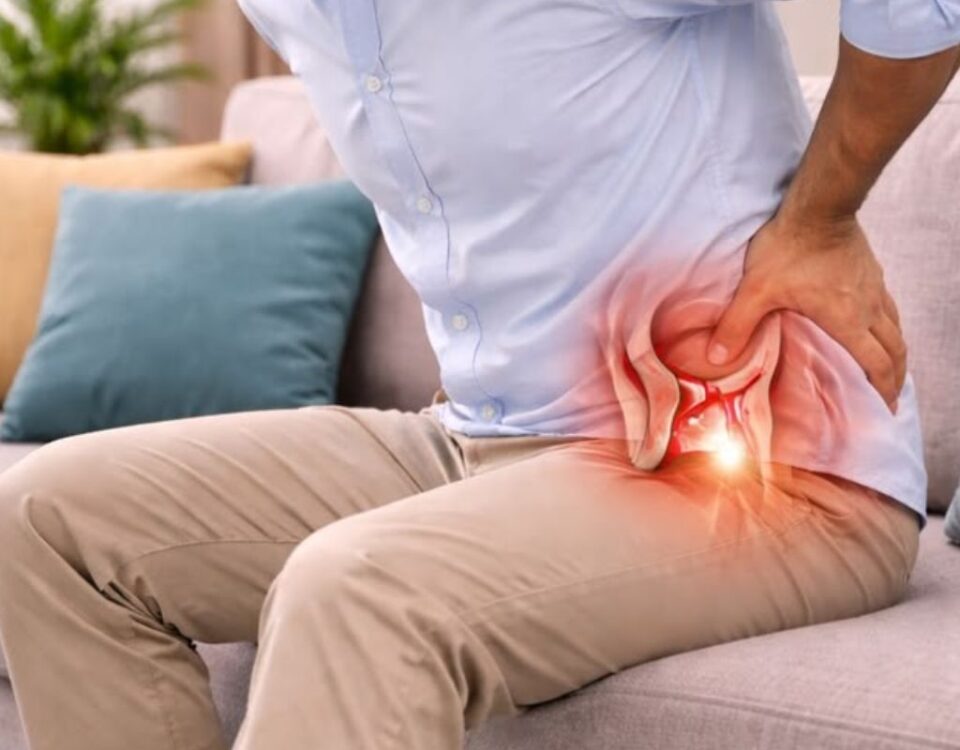
External piles form under the skin around the anus. These are more likely to cause pain, swelling, irritation, and itching. Sometimes, a blood clot may form inside an external pile, creating a condition called thrombosed piles. This can lead to severe pain and a hard lump near the anus.
3. Prolapsed Piles
Prolapsed piles are internal piles that extend outside the anus. Depending on the severity, they may go back in naturally or require manual pushing. Severe prolapse can cause discomfort, irritation, and bleeding.
4. Thrombosed Piles
These piles occur when a clot forms inside a hemorrhoid. They are usually very painful and can create swelling and a firm lump. Patients with thrombosed piles often need medical attention quickly for relief.
Common Symptoms of Piles
Symptoms may vary depending on the type and severity of piles. Some people may experience mild signs, while others may have more intense discomfort. Common symptoms include:
- Bleeding during or after bowel movements
- Pain or discomfort while sitting
- Itching or irritation around the anus
- Swelling or a lump near the anal area
- Mucus discharge
- A feeling of incomplete bowel evacuation
- Painful bowel movements
- Protrusion of tissue outside the anus
If these symptoms continue for a long time or worsen, it is important to visit a qualified piles doctor for assessment. At Swami Satyanand Piles Hospital Faridabad, patients can get the right diagnosis and treatment plan based on their condition.
Causes and Risk Factors
Several factors can increase the risk of piles. Some of the most common causes include:
- Chronic constipation
- Straining during bowel movements
- Low-fiber diet
- Dehydration
- Pregnancy
- Obesity
- Long hours of sitting
- Heavy lifting
- Family history of piles
- Lack of physical activity
Many of these causes are linked to pressure in the lower rectum, which weakens blood vessels over time.
How Are Piles Diagnosed?
Diagnosis usually begins with a medical history and physical examination. A doctor may ask about symptoms, bowel habits, diet, and lifestyle. In some cases, a digital rectal examination, anoscopy, or proctoscopy may be required to confirm the type and grade of piles.
Proper diagnosis is important because bleeding from the rectum can also be a sign of other conditions, such as anal fissures, polyps, or more serious digestive diseases. That is why patients should never self-diagnose persistent rectal bleeding.
Treatment Options for Piles
Treatment depends on the type and severity of piles. In the early stages, non-surgical treatment may be enough. In advanced cases, medical procedures may be recommended.
1. Lifestyle and Home Care
For mild piles, doctors usually suggest the following:
- Eating a high-fiber diet
- Drinking plenty of water
- Avoiding straining during bowel movements
- Exercising regularly
- Not sitting on the toilet for too long
- Using stool softeners if advised
- Taking warm sitz baths to reduce discomfort
These changes help soften stools and reduce pressure on the anal veins.
2. Medicines
Medicines may be prescribed to relieve pain, reduce swelling, and manage constipation. These may include creams, ointments, suppositories, or oral medications. However, medicines usually provide temporary relief and may not cure advanced piles completely.
3. Minimally Invasive Procedures
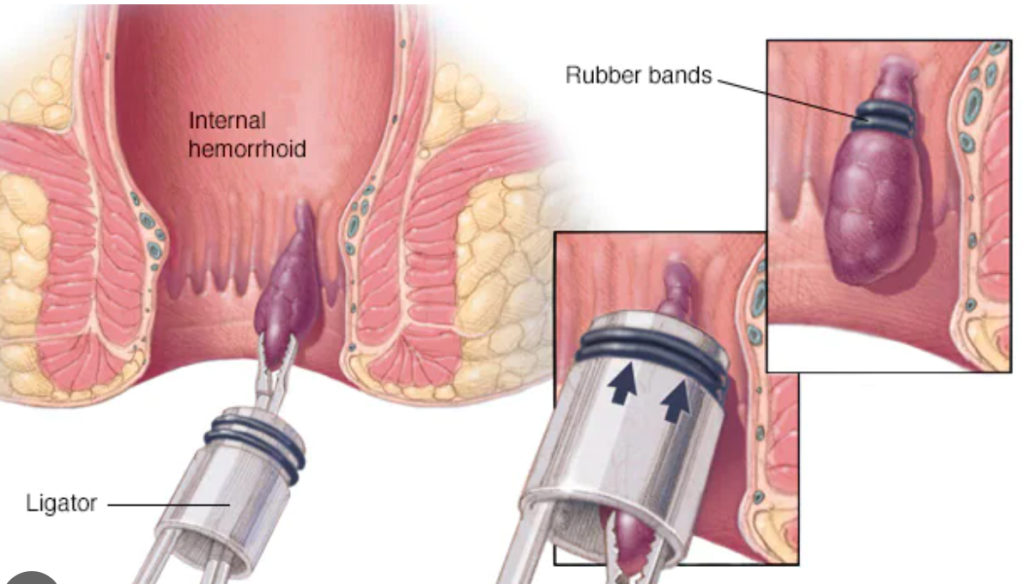
For internal piles, doctors may recommend procedures such as:
- Rubber band ligation
- Sclerotherapy
- Infrared coagulation
These techniques are often used for moderate piles and can help reduce symptoms effectively with minimal recovery time.
4. Surgical Treatment
In severe cases, surgery may be necessary. Options include hemorrhoidectomy or other advanced procedures depending on the patient’s condition. Surgery is usually recommended when piles are large, recurrent, or causing major bleeding and pain.
Patients looking for expert piles treatment in Faridabad should consult a specialist who can guide them toward the most suitable option. Swami Satyanand Piles Hospital Faridabad offers a structured approach to care, from diagnosis to treatment planning, which can make recovery smoother and more effective.
Can Piles Be Prevented?
Yes, piles can often be prevented with healthy habits. Some useful preventive steps include:
- Eating fruits, vegetables, and whole grains
- Avoiding junk food and low-fiber meals
- Drinking enough water every day
- Staying physically active
- Managing constipation early
- Avoiding prolonged sitting
- Responding promptly to the urge to pass stool
Small lifestyle changes can make a big difference in lowering the risk of piles.
When Should You See a Doctor?
You should seek medical attention if you notice:
- Repeated bleeding
- Severe pain
- A lump near the anus
- Symptoms that do not improve with home care
- Difficulty passing stool
- Black or very dark stools
- Sudden worsening of symptoms
Early treatment not only brings relief but also prevents the condition from becoming complicated. A timely consultation with a piles specialist is always better than waiting until the symptoms become severe.
Conclusion
Piles are a common but manageable condition. The main types include internal piles, external piles, prolapsed piles, and thrombosed piles. Each type has different symptoms, ranging from mild bleeding and itching to severe pain and swelling. With the right diagnosis and treatments in faridabad, most patients can recover well and return to normal life with improved comfort and better overall health.
If you are experiencing piles symptoms, do not delay treatment. Professional care, proper diagnosis, and lifestyle changes can help you feel better and prevent future episodes. For trusted guidance and treatment support, Swami Satyanand Piles Hospital Faridabad can be a helpful option for patients seeking quality piles care and long-term relief.