Can Piles Go Away Without Surgery? A Complete Guide to Hemorrhoids Treatment

Piles During Pregnancy: Causes and Safe Treatment Options
June 25, 2026
Non-Surgical Treatment for Piles: Complete Guide
July 9, 2026
Dealing with piles can be uncomfortable, embarrassing, and downright painful — but here’s the good news: surgery is rarely the first step. For most people, the right combination of hemorrhoids treatment approaches, including dietary changes and topical care, can bring significant relief. If you’re looking for Piles (Hemorrhoids) Treatment in Faridabad, consulting an experienced specialist can help you receive the right diagnosis and personalized non-surgical treatment plan. With timely care, many patients improve without ever stepping into an operating room.
In this guide, we’ll walk through everything you need to know about treating piles naturally, when home care is enough, and when it’s time to see a doctor.
What Are Piles and What Causes Them?
Piles, medically known as hemorrhoids, are swollen veins located in the lower rectum or around the anus. They can be internal (inside the rectum) or external (under the skin around the anus), and they range from mildly irritating to extremely painful depending on severity.
Common causes include:
- Straining during bowel movements
- Chronic constipation or diarrhea
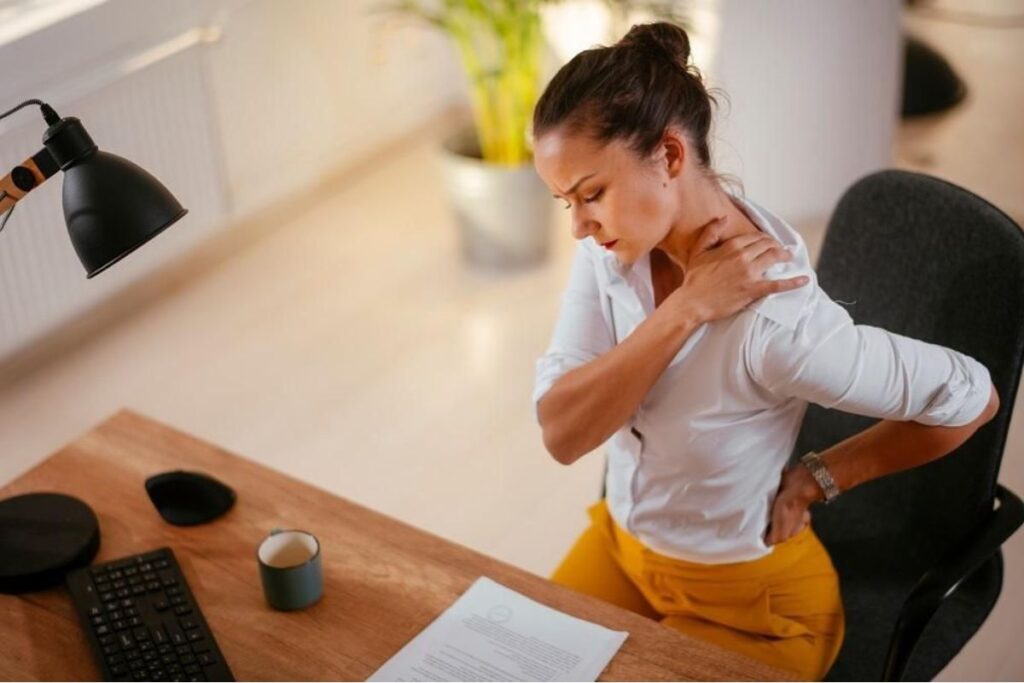
- Sitting for long periods (especially on the toilet)
- Pregnancy and childbirth
- A low-fiber diet
- Obesity
- Aging, which weakens the tissues supporting rectal veins
Understanding the root cause is the first step toward effective hemorrhoids treatment, because most remedies work by addressing these underlying triggers rather than just masking symptoms.
Internal vs External Piles
It helps to know which type you’re dealing with, since this can shape your treatment approach:
- Internal piles form inside the rectum and are often painless at first, though they may cause bleeding during bowel movements. They’re graded I through IV based on severity, with Grade IV involving a permanent prolapse.
- External piles develop under the skin around the anus and tend to be more noticeable and painful, since this area has more sensitive nerve endings. They can also form blood clots (thrombosed hemorrhoids), which cause sudden, sharp pain.
Both types generally respond to the same foundational hemorrhoids treatment approaches, though external piles may need more attention to local symptom relief, while internal piles often respond faster to dietary fiber increases.
Can Piles Heal Without Surgery?
This is the question most people want answered first: yes, in the majority of cases, piles can improve or resolve completely through non-surgical hemorrhoid treatment methods. Mild to moderate hemorrhoids — particularly Grade 1 and Grade 2 internal piles — often respond very well to conservative care.
The success of hemorrhoids treatment without surgery depends largely on:
- Severity of the piles — smaller, early-stage hemorrhoids heal faster
- Consistency of treatment — sticking with dietary and lifestyle changes
- Underlying habits — whether constipation or straining is addressed
- Time given to heal — most cases take 1-2 weeks with proper care
For more advanced cases, doctors may recommend minimally invasive procedures like rubber band ligation, sclerotherapy, or infrared coagulation. These are still considered non-surgical hemorrhoid treatment options since they don’t require traditional surgery, hospital stays, or general anesthesia. They’re typically quick outpatient procedures with minimal downtime.
It’s only in severe, recurrent, or prolapsed cases — where piles don’t respond to any conservative treatment — that surgical removal (hemorrhoidectomy) becomes necessary. For the vast majority of people, though, it never reaches that point.
Effective Piles Home Remedies
When it comes to piles home remedies, simplicity and consistency are key. Here are the most effective approaches backed by both traditional use and clinical recommendation:
1. Warm Sitz Baths
Soaking the anal area in warm water for 10-15 minutes, 2-3 times a day, is one of the most recommended piles home remedies. It reduces swelling, relieves itching, and eases pain by relaxing the affected muscles.
2. Witch Hazel Application
Applying witch hazel with a cotton pad directly to the affected area is a popular natural remedy. It has mild astringent properties that help shrink swollen tissue and reduce irritation — making it a staple among piles home remedies used for generations.
3. Aloe Vera Gel
Pure aloe vera gel, applied externally, has soothing and anti-inflammatory properties. Many people find it helps reduce burning and itching sensations associated with piles.
4. Cold Compresses
Applying an ice pack wrapped in a cloth to the area for short intervals can numb pain and reduce swelling quickly, especially during flare-ups.
5. Staying Hydrated
Drinking plenty of water (at least 8-10 glasses daily) softens stool, making bowel movements easier and reducing the straining that worsens piles. This is one of the simplest yet most overlooked piles home remedies.
6. Avoiding Prolonged Sitting
Long periods of sitting — especially on the toilet — increase pressure on rectal veins. Taking breaks to walk around, and avoiding lingering on the toilet, supports faster healing.
While these remedies offer noticeable relief, pairing them with dietary changes amplifies results significantly.
The Role of a High-Fiber Diet for Piles
If there’s one change that makes the biggest difference, it’s adopting a high-fiber diet for piles. Fiber softens stool and adds bulk, which reduces the need to strain — directly addressing one of the primary causes of hemorrhoids.
Foods to Include
A solid high-fiber diet for piles should include:
- Whole grains: oats, brown rice, whole wheat bread
- Fruits: apples, pears, papaya, bananas (with skin where possible)
- Vegetables: broccoli, carrots, leafy greens, sweet potatoes
- Legumes: lentils, chickpeas, kidney beans
- Seeds: flaxseeds and chia seeds, which also have mild laxative effects
Aim for 25-30 grams of fiber daily. Introduce fiber gradually, though — a sudden spike can cause bloating or gas, which is uncomfortable but temporary.
Foods to Avoid
Just as important as what to add is what to cut back on:
- Processed and fried foods
- Excess red meat
- White bread and refined grains
- Spicy foods (which can irritate sensitive tissue for some people)
- Excessive caffeine and alcohol, which can dehydrate the body
A consistent high-fiber diet for piles, maintained over weeks rather than days, often prevents recurrence entirely — making it one of the most powerful tools in long-term hemorrhoid management.
Lifestyle Changes That Support Healing
Beyond diet, certain lifestyle shifts significantly speed up recovery and prevent piles from returning:
- Exercise regularly: Light activities like walking or swimming improve digestion and reduce constipation.
- Don’t delay bowel movements: Holding it in increases pressure and straining later.
- Practice good hygiene: Gently clean the area with water after bowel movements instead of harsh wiping.
- Maintain a healthy weight: Excess weight adds pressure on pelvic and rectal veins.
- Use a footstool: Elevating your feet slightly while on the toilet mimics a squatting position, which eases bowel movements naturally.
These habits work hand-in-hand with hemorrhoids treatment plans to create lasting results rather than temporary fixes.
Tips for Hemorrhoid Symptoms Relief
While the underlying piles heal, you’ll likely want relief from the immediate discomfort. Here are practical tips for hemorrhoid symptoms relief:
- Over-the-counter creams and ointments: Products containing hydrocortisone or witch hazel can ease itching and inflammation. Use as directed and avoid long-term use without medical guidance.
- Stool softeners: If diet changes alone aren’t enough, a mild over-the-counter stool softener can prevent straining while your fiber intake catches up.
- Loose, breathable clothing: Tight clothing can irritate the area further; cotton underwear and loose-fitting pants help.
- Moist wipes instead of dry toilet paper: Dry paper can aggravate irritated skin, while alcohol-free moist wipes are gentler.
- Pain relievers: Over-the-counter pain medication can help manage discomfort during flare-ups, used short-term and as needed.
- Avoid scratching: As tempting as it is, scratching can break skin and lead to infection, prolonging the irritation.
Combining these tips for hemorrhoid symptoms relief with the dietary and lifestyle changes mentioned earlier usually leads to noticeable improvement within a week or two.
When to See a Doctor
While most piles respond well to home care, certain signs indicate it’s time to consult a doctor rather than continuing self-treatment:
- Bleeding that is heavy, persistent, or increasing
- Pain that is severe or worsening despite home care
- Piles that prolapse (protrude) and don’t go back in on their own
- Symptoms lasting more than 1-2 weeks without improvement
- Signs of infection, such as fever or pus
A doctor can confirm the diagnosis, rule out other conditions (like fissures or, rarely, more serious issues), and recommend the right hemorrhoids treatment — whether that’s continued conservative care, a minimally invasive procedure, or in rare cases, surgical intervention.
How Long Does Recovery Typically Take?
One of the most common questions alongside “can piles go away without surgery” is how long the process actually takes. While every case is different, here’s a general timeline for non-surgical hemorrhoid treatment:
- Mild cases (Grade I): Often improve within 3-7 days with consistent home remedies and dietary changes.
- Moderate cases (Grade II): Typically take 1-2 weeks of combined treatment, including fiber supplementation and topical relief.
- More persistent cases (Grade III): May take several weeks and sometimes benefit from in-office procedures like rubber band ligation alongside home care.
- Recurring piles: Even after symptoms resolve, it’s worth maintaining the high-fiber diet for piles and healthy bowel habits long-term, since hemorrhoids tend to recur if old habits return.
Patience matters here. Many people stop their piles home remedies routine the moment they get some hemorrhoid symptoms relief, only to see piles return within weeks. Sticking with dietary and lifestyle changes for at least a month, even after symptoms fade, gives the best chance of lasting relief.
Final Thoughts
The short answer to “can piles go away without surgery” is a reassuring yes, for most people. With consistent home remedies, a high-fiber diet for piles, proper hydration, and a few lifestyle tweaks, many cases of hemorrhoids clear up within one to two weeks. Non-surgical hemorrhoid treatment options, including in-office procedures, cover the more stubborn cases — meaning surgery is genuinely a last resort, not a default outcome.
If you’re dealing with piles right now, start with the basics: increase your fiber intake, stay hydrated, avoid straining, and use simple remedies like sitz baths for relief. And if things don’t improve within a couple of weeks, don’t hesitate to see a doctor — catching it early always makes treatment easier.