Piles During Pregnancy: Causes and Safe Treatment Options

Types of Piles: Internal vs External Hemorrhoids
June 18, 2026
Can Piles Go Away Without Surgery? A Complete Guide to Hemorrhoids Treatment
June 27, 2026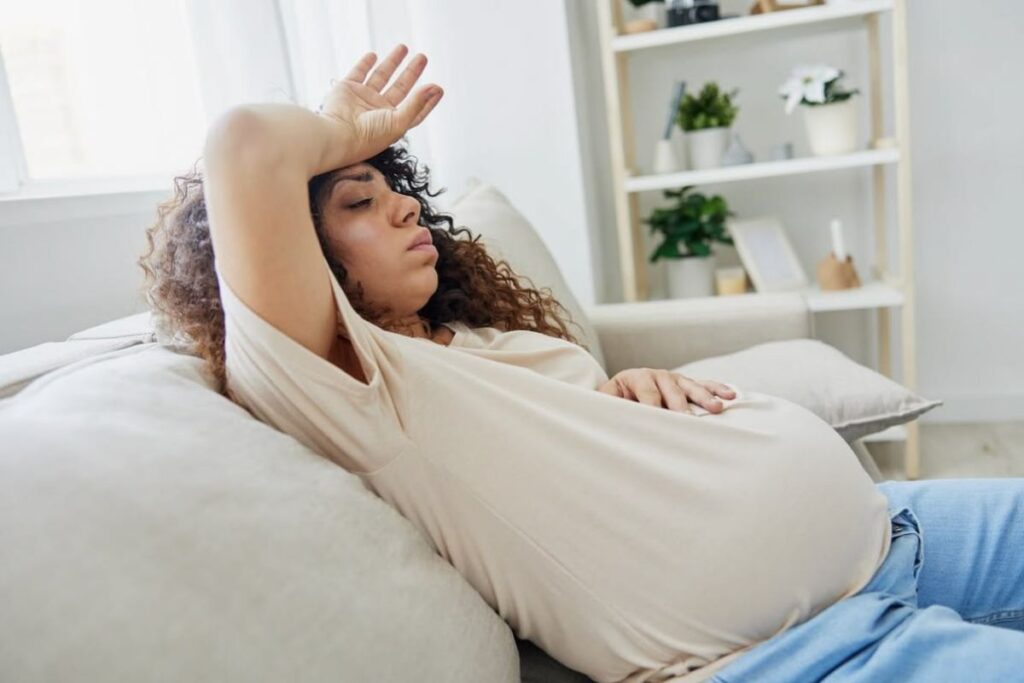
Pregnancy is a beautiful journey, but it also brings several physical changes that can sometimes lead to discomfort. One of the most common yet often overlooked conditions experienced by expectant mothers is Pilonidal Sinus Treatment in Faridabad. Also known as hemorrhoids, piles are swollen veins in the rectal and anal area that can cause pain, itching, irritation, and bleeding.
Understanding Piles During Pregnancy is important because early awareness and proper care can help reduce discomfort and prevent complications. The increasing pressure on pelvic veins, hormonal changes, and constipation are among the major factors contributing to this condition. Fortunately, there are many Safe Treatment Options for Piles in Pregnancy that can provide relief without harming the mother or baby.
This comprehensive guide explores the causes, symptoms, prevention methods, and treatment options available for managing Hemorrhoids in Pregnancy effectively.
What Are Piles During Pregnancy?
Piles During Pregnancy are swollen blood vessels located inside or around the anus and rectum. These swollen veins develop when increased pressure affects blood circulation in the lower pelvic region. The condition is particularly common during the second and third trimesters when the growing uterus places extra strain on nearby veins.
Hemorrhoids in Pregnancy may be internal or external. Internal hemorrhoids develop inside the rectum and are usually painless but may bleed. External hemorrhoids occur under the skin around the anus and can be painful, especially when sitting or during bowel movements.
Many women experience Piles During Pregnancy for the first time, while others may notice an existing condition worsening due to pregnancy-related changes. Although piles can be uncomfortable, they are generally not dangerous and often improve after childbirth.
Causes of Piles During Pregnancy
Understanding the Causes of Piles During Pregnancy can help expectant mothers take preventive measures and seek appropriate care when needed.
1. Increased Pressure from the Growing Uterus
One of the primary Causes of Piles During Pregnancy is the expanding uterus. As the baby grows, the uterus places pressure on the veins in the pelvic area and lower rectum. This pressure slows blood flow and causes veins to enlarge.
2. Hormonal Changes
Pregnancy hormones, particularly progesterone, relax the walls of blood vessels. While this helps the body adapt to pregnancy, it can also contribute to the development of Hemorrhoids in Pregnancy by making veins more prone to swelling.
3. Constipation During Pregnancy
Constipation During Pregnancy is a major contributor to piles. Hormonal changes slow digestion, and prenatal vitamins containing iron may worsen constipation. Straining during bowel movements increases pressure on rectal veins, leading to Piles During Pregnancy.
4. Increased Blood Volume
Pregnancy increases blood volume to support the growing baby. While essential for fetal development, this additional blood can enlarge veins and contribute to the Causes of Piles During Pregnancy.
5. Weight Gain
Healthy pregnancy-related weight gain can place extra stress on the lower body and pelvic veins. This additional pressure increases the risk of developing Hemorrhoids in Pregnancy.
6. Reduced Physical Activity
Some women become less active during pregnancy due to fatigue or discomfort. Reduced movement can slow bowel function and contribute to Constipation During Pregnancy, which further increases the likelihood of piles.
Understanding these Causes of Piles During Pregnancy allows pregnant women to adopt lifestyle habits that support better bowel health and circulation.
Symptoms of Pregnancy Hemorrhoids
Recognizing the signs of Hemorrhoids in Pregnancy is essential for seeking timely relief and preventing worsening symptoms.
Common Symptoms Include:
- Pain or discomfort around the anus
- Itching and irritation
- Swelling near the anal opening
- Bleeding during bowel movements
- Difficulty sitting comfortably
- A lump near the anus
- Mucus discharge
Pregnancy and Piles Symptoms
Many women notice Pregnancy and Piles Symptoms becoming more severe during the third trimester. The growing baby increases pressure on pelvic veins, making symptoms more noticeable.
Bleeding Piles During Pregnancy
One concerning symptom is Bleeding Piles During Pregnancy. Small amounts of bright red blood may appear on toilet paper or in the toilet bowl after a bowel movement. While this is often caused by hemorrhoids, any bleeding during pregnancy should be discussed with a healthcare provider.
Discomfort While Sitting
External hemorrhoids can make sitting for extended periods uncomfortable. This symptom is especially common among women experiencing moderate to severe Hemorrhoids in Pregnancy.
Being aware of Pregnancy and Piles Symptoms helps women seek medical advice and begin treatment early.
Safe Treatment Options for Piles in Pregnancy
Many expectant mothers worry about treating piles while protecting their baby. Fortunately, several Safe Treatment Options for Piles in Pregnancy can effectively reduce symptoms and improve comfort.
1. Increase Fiber Intake
Dietary fiber softens stools and reduces the need for straining. Foods rich in fiber include:
- Whole grains
- Fruits
- Vegetables
- Legumes
- Nuts and seeds
Increasing fiber intake is one of the most effective Safe Treatment Options for Piles in Pregnancy.
2. Stay Hydrated
Drinking plenty of water supports digestion and helps prevent Constipation During Pregnancy. Adequate hydration also contributes to overall Pregnancy Digestive Health.
3. Warm Sitz Baths
Soaking the anal area in warm water for 10–15 minutes several times daily can provide significant Pregnancy Hemorrhoid Relief. Sitz baths reduce inflammation and soothe irritation.
4. Regular Physical Activity
Light exercise such as walking promotes healthy digestion and circulation. It also helps reduce the risk of Piles During Pregnancy by preventing constipation.
5. Avoid Prolonged Sitting
Sitting for extended periods increases pressure on pelvic veins. Taking short breaks and changing positions frequently can help manage Hemorrhoids in Pregnancy.
6. Use Pregnancy-Safe Topical Treatments
Healthcare providers may recommend creams, ointments, or medicated wipes specifically approved for use during pregnancy. These products are considered Safe Treatment Options for Piles in Pregnancy when used under medical guidance.
7. Cold Compresses
Applying a cold pack to the affected area can reduce swelling and discomfort. This simple method offers effective Pregnancy Hemorrhoid Relief for many women.
8. Proper Bathroom Habits
Avoid delaying bowel movements and do not strain excessively. These habits reduce pressure on rectal veins and support the Best Treatment for Pregnancy Hemorrhoids.
9. Stool Softeners
In some cases, healthcare providers may recommend stool softeners. These can be part of the Best Treatment for Pregnancy Hemorrhoids when constipation is severe.
10. Medical Evaluation
Persistent pain, significant bleeding, or worsening symptoms may require professional assessment. Doctors can recommend additional Safe Treatment Options for Piles in Pregnancy tailored to individual needs.
How to Prevent Piles During Pregnancy
Prevention is often easier than treatment. Understanding How to Prevent Piles During Pregnancy can help women avoid unnecessary discomfort.
Eat a High-Fiber Diet
Fiber-rich foods support healthy bowel movements and reduce the risk of constipation. This is one of the most effective ways of learning How to Prevent Piles During Pregnancy.
Drink Plenty of Water
Hydration keeps stools soft and promotes healthy digestion. It also supports overall Pregnancy Digestive Health.
Exercise Regularly
Walking, prenatal yoga, and other approved activities help maintain circulation and bowel function.
Avoid Straining
Straining increases pressure on rectal veins. Gentle bowel habits are essential for How to Prevent Piles During Pregnancy.
Respond to Nature’s Call Promptly
Ignoring the urge to have a bowel movement can worsen Constipation During Pregnancy and increase the risk of piles.
Practice Good Toilet Habits
Avoid spending excessive time on the toilet, as this can increase pressure on the anal veins.
Natural Remedies for Piles in Pregnancy
Many women seek Natural Remedies for Piles in Pregnancy to avoid unnecessary medications. Examples include:
- Increasing dietary fiber
- Drinking more water
- Warm sitz baths
- Gentle exercise
- Cold compresses
These Natural Remedies for Piles in Pregnancy often provide significant symptom relief when combined with healthy lifestyle practices.
Pregnancy Digestive Health and Hemorrhoid Prevention
Maintaining strong Pregnancy Digestive Health is one of the most effective strategies for preventing piles. Healthy digestion reduces constipation, improves bowel regularity, and minimizes pressure on rectal veins.
A balanced diet, regular exercise, and proper hydration are essential components of Pregnancy Digestive Health. These habits not only support maternal comfort but also contribute to overall well-being throughout pregnancy.
When Should You See a Doctor?
While most cases of Piles During Pregnancy can be managed with lifestyle changes and home care, medical attention may be necessary if you experience:
- Severe pain
- Excessive bleeding
- Persistent symptoms
- Signs of infection
- Difficulty passing stool
A healthcare provider can determine the Best Treatment for Pregnancy Hemorrhoids based on your specific condition and stage of pregnancy.
Conclusion
Piles During Pregnancy are a common condition caused by hormonal changes, increased pelvic pressure, weight gain, and Constipation During Pregnancy. Although uncomfortable, most cases can be managed successfully through healthy lifestyle habits, proper hydration, increased fiber intake, and other Safe Treatment Options for Piles in Pregnancy.
Recognizing Pregnancy and Piles Symptoms early allows women to take proactive steps toward relief. Whether through Natural Remedies for Piles in Pregnancy, dietary improvements, or medical guidance, there are many effective ways to manage Hemorrhoids in Pregnancy safely.
By understanding the Causes of Piles During Pregnancy, maintaining strong Pregnancy Digestive Health, and following recommendations on How to Prevent Piles During Pregnancy, expectant mothers can enjoy a healthier and more comfortable pregnancy journey.