Constipation Treatment: Causes, Symptoms, Natural Remedies, and Prevention

Fistula Symptoms and Treatment: Causes, Diagnosis, Laser Surgery & Cost Guide
June 15, 2026
Types of Piles: Internal vs External Hemorrhoids
June 18, 2026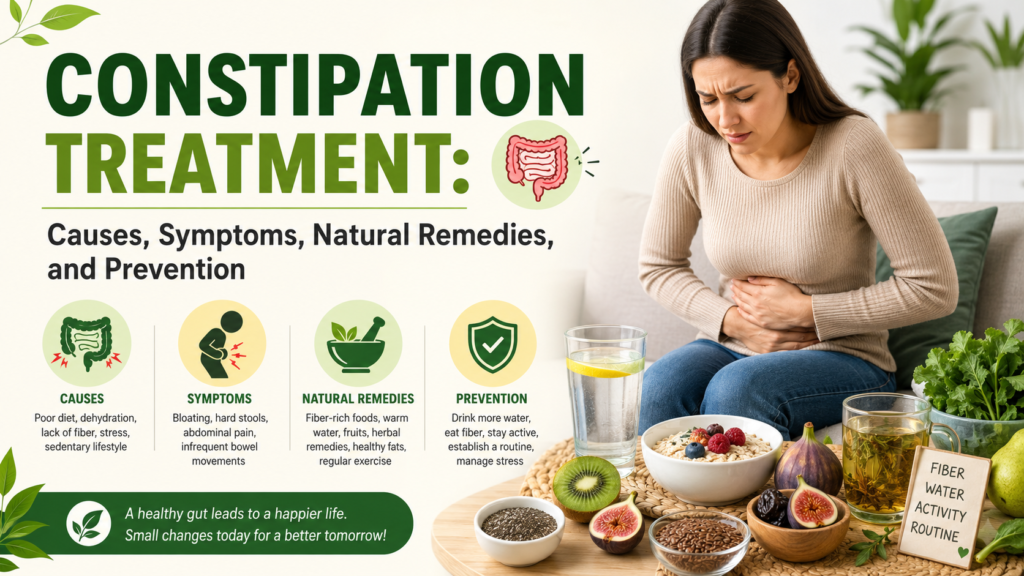
Constipation is a common digestive problem that affects millions of people worldwide. It can cause discomfort, bloating, abdominal pain, and difficulty passing stools. Many people search for effective constipation treatment methods because the condition can interfere with daily life and overall well-being. Fortunately, several solutions, ranging from lifestyle changes to medical options, can provide lasting constipation relief.
A healthy digestive system depends on proper hydration, a balanced diet, regular physical activity, and good bowel habits. While occasional constipation is usually not a serious concern, frequent or long-lasting symptoms may require a more specialized constipation treatment plan. For individuals seeking expert care, Constipation Treatment in Faridabad offers personalized approaches to identify the underlying cause and provide effective relief. This guide explains the causes of constipation, its symptoms, the best natural and medical treatments, and ways to prevent the condition from returning.
What Is Constipation?
Constipation refers to infrequent bowel movements or difficulty passing stools. In general, having fewer than three bowel movements per week, passing hard stools, or feeling that the bowel has not completely emptied may indicate constipation.
The digestive process begins when food travels through the stomach and intestines. The colon absorbs water from waste material before it leaves the body. When the colon absorbs too much water, the stool becomes hard and dry, making it difficult to pass.
Understanding the cause of constipation is essential for choosing the right constipation treatment. Some people experience occasional constipation due to dietary changes or stress, while others may suffer from long-term digestive issues that require proper chronic constipation treatment.
Common Causes of Constipation
Several factors can contribute to constipation. Identifying these causes can help you find an effective constipation treatment and prevent future problems.
1. Low Fiber Diet
Fiber adds bulk to stool and helps it move smoothly through the digestive tract. A diet lacking fruits, vegetables, whole grains, and legumes can lead to hard stools and difficulty passing them.
High-fiber foods include:
- Apples and pears
- Berries
- Broccoli and leafy vegetables
- Oats
- Brown rice
- Beans and lentils
- Nuts and seeds
Increasing fiber intake gradually is one of the simplest ways to achieve natural constipation relief.
2. Not Drinking Enough Water
Water helps soften stool, making bowel movements easier. Dehydration can cause stools to become dry and hard. Drinking enough fluids throughout the day supports digestion and acts as a simple constipation treatment method.
3. Lack of Physical Activity
Regular exercise helps stimulate the muscles in the intestines, allowing waste to move more efficiently. A sedentary lifestyle can slow digestion and increase the chances of constipation.
Walking, swimming, yoga, and other physical activities can improve bowel function and provide long-term constipation relief.
4. Ignoring the Urge to Have a Bowel Movement
Delaying a bowel movement can cause the stool to become harder over time. Developing regular bathroom habits is an important part of effective chronic constipation treatment.
5. Stress and Lifestyle Changes
Emotional stress, travel, changes in routine, and poor sleeping habits can affect the digestive system and contribute to constipation.
Symptoms of Constipation
Constipation symptoms can vary from person to person. Some individuals may experience occasional discomfort, while others may have persistent digestive problems.
Common symptoms include:
- Fewer than three bowel movements per week
- Hard, dry, or lumpy stools
- Straining during bowel movements
- Feeling that the rectum is not completely empty
- Abdominal pain or cramping
- Bloating and excessive gas
Finding proper constipation treatment early can prevent symptoms from becoming more severe.
You should consult a healthcare professional if constipation lasts for several weeks, causes severe pain, includes blood in the stool, or occurs with unexplained weight loss.
Natural Remedies for Constipation
Many people prefer natural remedies for constipation before considering medications. These remedies can improve digestion and promote regular bowel movements.
1. Increase Fiber Intake
A fiber-rich diet is among the most effective natural remedies for constipation. Soluble fiber absorbs water and creates softer stools, while insoluble fiber adds bulk and helps stool move through the intestines.
Adults should aim for an adequate daily intake of dietary fiber from natural food sources.
2. Drink More Fluids
Proper hydration supports healthy digestion. Water, soups, and other non-caffeinated fluids can help soften stools and improve bowel movements.
Drinking a glass of warm water in the morning may help some people who want to know how to relieve constipation fast.
3. Exercise Regularly
Physical activity stimulates intestinal movement. Even a 20–30-minute walk each day can improve digestion and provide natural constipation relief.
4. Consume Probiotic Foods
Probiotics are beneficial bacteria that support gut health. Foods such as yogurt, kefir, and fermented vegetables may improve the balance of bacteria in the digestive system.
Adding probiotics is considered one of the helpful natural remedies for constipation because a healthy gut may support regular bowel habits.
5. Try Natural Laxative Foods
Certain foods naturally encourage bowel movements, including:
- Prunes and prune juice
- Kiwi fruit
- Flaxseeds
- Chia seeds
- Figs
These foods can be useful for people searching for how to relieve constipation fast without relying immediately on medication.
Medical Constipation Treatments and Laxatives
When lifestyle changes do not provide enough improvement, medical options may be necessary. A healthcare professional can recommend the most suitable constipation treatment based on the cause and severity of symptoms.
Stool Softeners
Stool softeners help increase moisture in the stool, making it easier to pass. They are often used for short-term relief.
Fiber Supplements
Fiber supplements may be recommended for people who do not get enough fiber from their diet.
Osmotic Laxatives
Osmotic laxatives draw water into the intestines, helping soften stools and promote bowel movements. They are often considered among the best laxatives for constipation when used appropriately.
Stimulant Laxatives
Stimulant laxatives increase intestinal muscle contractions and can provide faster results. Some people consider them among the best laxatives for constipation, but they should be used carefully and according to medical advice.
Prescription Treatments
People experiencing ongoing symptoms may require a specialized chronic constipation treatment approach. Healthcare providers may prescribe medications or recommend additional testing to identify underlying health conditions.
How to Prevent Constipation
Preventing constipation is often easier than treating it. Healthy lifestyle choices can reduce the risk of recurring digestive problems.
Eat a Balanced Diet
Include plenty of fruits, vegetables, whole grains, and legumes in your meals. These foods provide fiber that supports regular bowel movements and helps maintain constipation relief.
Stay Hydrated
Drinking enough water throughout the day helps keep stools soft and easier to pass.
Create a Bathroom Routine
Try to use the bathroom at the same time each day and avoid ignoring the urge to have a bowel movement. These habits are important for successful chronic constipation treatment and prevention.
Manage Stress
Stress can affect digestion. Relaxation techniques, meditation, and adequate sleep can support gut health and reduce digestive discomfort.
Stay Active
Regular exercise helps maintain healthy intestinal movement and reduces the risk of constipation.
Conclusion
Constipation is a manageable condition that can often improve through simple lifestyle changes. Eating a high-fiber diet, staying hydrated, exercising regularly, and maintaining healthy bathroom habits are key strategies for long-term constipation relief.
However, if symptoms continue or become severe, seeking professional advice is important. The right constipation treatment can address the underlying cause and improve digestive health. Whether you choose natural remedies for constipation, lifestyle improvements, or medical options such as the best laxatives for constipation, a consistent approach can help you achieve regular and comfortable bowel movements.
By understanding your body and adopting healthy habits, you can reduce the risk of future problems and maintain better digestive wellness.